
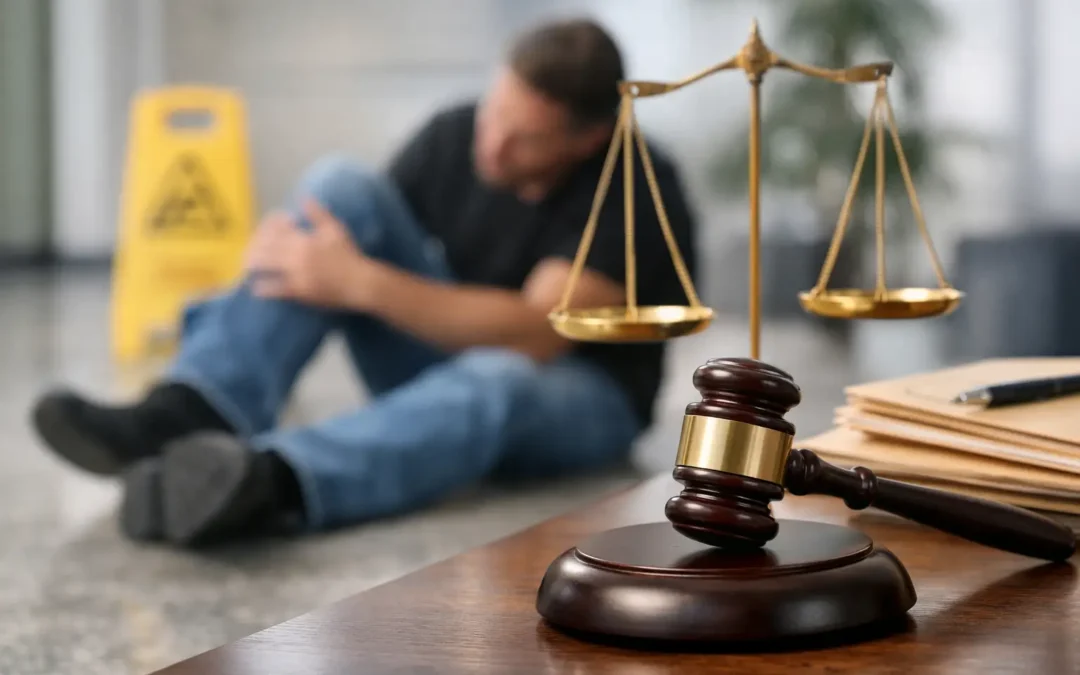
A slip and fall settlement in California is not determined by a chart, a standard payout, or the insurance adjuster’s first offer. It is determined by what happened, how seriously you were hurt, what the property owner knew or should have known, and the evidence available to prove each point. After a painful fall, those details can be the difference between an insurer dismissing your claim and paying for the real harm the incident caused.
A fall at a grocery store, apartment complex, parking lot, restaurant, hotel, workplace, or private home can leave you facing medical appointments, missed work, and uncertainty about how you will pay the bills. You do not have to accept being blamed for an unsafe property just because the insurance company says the hazard was obvious or your injuries are not as serious as they first appeared.
What Determines a California Slip and Fall Settlement?
The value of a premises liability claim depends on the facts, not on a one-size-fits-all average. Two people may fall on wet floors and have completely different cases. One may suffer a brief sprain and recover quickly. Another may suffer a broken hip, torn shoulder, traumatic brain injury, or back injury that affects work and daily life for years.
The strongest settlement claims generally show that a dangerous condition existed, the responsible party had a duty to keep the property reasonably safe, and that party failed to address or warn about the hazard. The fall must also be the cause of the injuries and losses being claimed.
Evidence matters early. A puddle in a store aisle, a broken stair, loose carpeting, poor lighting, uneven pavement, or debris in a walkway may disappear before an insurer ever investigates. Photos, video, incident reports, witness names, and prompt medical records can preserve the truth of what occurred.
The Severity and Long-Term Impact of Your Injuries
Medical damages are often a major part of a settlement. This can include ambulance transportation, emergency treatment, imaging, surgery, medication, physical therapy, follow-up care, and future treatment that doctors reasonably expect you will need.
But medical bills are not the whole story. A serious injury can stop a construction worker from lifting, prevent a parent from caring for children, or force an office employee to work through constant pain. California law may allow compensation for lost wages, reduced earning ability, pain, emotional distress, and loss of enjoyment of life. The more permanent and well-documented the impact, the more closely the claim must account for future losses.
Whether the Property Owner Had Notice
In many cases, the central fight is over notice. Did the store, landlord, business, or property manager create the hazard? Did employees know about it? Had it been there long enough that reasonable inspections should have found it?
For example, a spill that happened seconds before a customer fell may create a different liability question than a leak that repeatedly left water on the same floor near a refrigerator. Maintenance logs, cleaning schedules, prior complaints, surveillance footage, and employee testimony can help establish what the responsible party knew.
Property owners are not automatically liable simply because a person fell. They may argue that they conducted reasonable inspections, placed visible warnings, or had no reasonable opportunity to discover the condition. A careful investigation is what tests those claims.
Your Own Conduct Can Affect the Recovery
California follows a pure comparative negligence rule. That means an injured person may still recover compensation even if they were partly at fault. However, the recovery can be reduced by that percentage of fault.
An insurer may claim you were distracted by your phone, ignored a warning sign, wore unsuitable footwear, or took an unsafe route. Sometimes those arguments have evidence behind them. Often, they are used to shift attention away from unsafe conditions the property owner failed to correct. A fair assessment requires more than an adjuster’s assumption after the fact.
Evidence That Can Strengthen a Slip and Fall Claim
The hours after a fall are often confusing, especially when pain and embarrassment take over. Still, practical steps can protect your ability to pursue compensation. Report the incident to the property owner or manager, request a copy of any incident report, and seek medical care as soon as possible. Delaying treatment gives an insurer room to argue that your injury came from something else.
If you can do so safely, take photos or video of the exact condition that caused the fall. Capture the surrounding area too, including lighting, warning signs, floor mats, stairs, handrails, or nearby leaks. Keep the shoes and clothing you were wearing, especially if their condition later becomes an issue.
Witnesses can be especially valuable. A person who saw the fall may confirm how it happened. An employee or nearby customer may also know whether the hazard had been present before you were hurt. Their memories can fade quickly, and businesses may not volunteer their names.
Do not assume surveillance footage will be preserved. Many businesses record over video within days or weeks. Prompt action can be necessary to request that key evidence be retained.
Why Early Settlement Offers Often Fall Short
Insurance companies may contact you quickly after a fall. The adjuster may sound helpful, ask for a recorded statement, or offer money before you know the full extent of your injuries. That speed is rarely accidental.
A settlement ends the claim. Once you sign a release, you generally cannot return for more compensation if your pain worsens, you need surgery, or you learn you cannot return to your former job. This is why settling before reaching a reasonable point of medical recovery can be risky.
There are exceptions. Some people need immediate financial relief, and a small claim involving a fully resolved injury may be appropriate to settle sooner. The question is whether the offer accounts for all known and reasonably expected losses, not simply whether it covers today’s emergency room bill.
Important California Deadlines
Most personal injury lawsuits in California must be filed within two years of the injury date. Missing that deadline can prevent you from recovering compensation, even when the property owner was clearly negligent.
Claims involving a public entity can have much shorter notice requirements. If the fall occurred on city, county, or state property, or in a location managed by a government agency, a government claim may need to be filed within six months. These cases require quick attention because waiting for an insurer to respond can put critical rights at risk.
Deadlines can depend on the circumstances, including the injured person’s age and the identity of the responsible party. Getting a case evaluated early is the safest way to avoid losing a claim through a procedural mistake.
How a Lawyer Can Help Protect the Value of Your Claim
A strong premises liability case is built before settlement negotiations begin. That may mean securing video, investigating the property’s maintenance history, obtaining witness statements, reviewing medical records, calculating wage loss, and identifying every party responsible for the dangerous condition.
It also means pushing back when an insurer tries to minimize pain, blame the injured person, or treat a serious injury like a minor inconvenience. Some claims resolve through negotiation. Others require a lawsuit and determined litigation to make the responsible party take the case seriously.
At LionsGate Law Group, APC, injured people and their families can seek a free consultation to understand their options without taking on the legal burden alone. The right legal team should communicate clearly, treat your recovery with respect, and be willing to fight when the insurance company refuses to be fair.
If you were hurt because a property was unsafe, protect the evidence, follow through with medical care, and get answers before signing away your rights. A settlement should reflect what the fall has truly taken from you, not what an insurer hopes you will accept.