
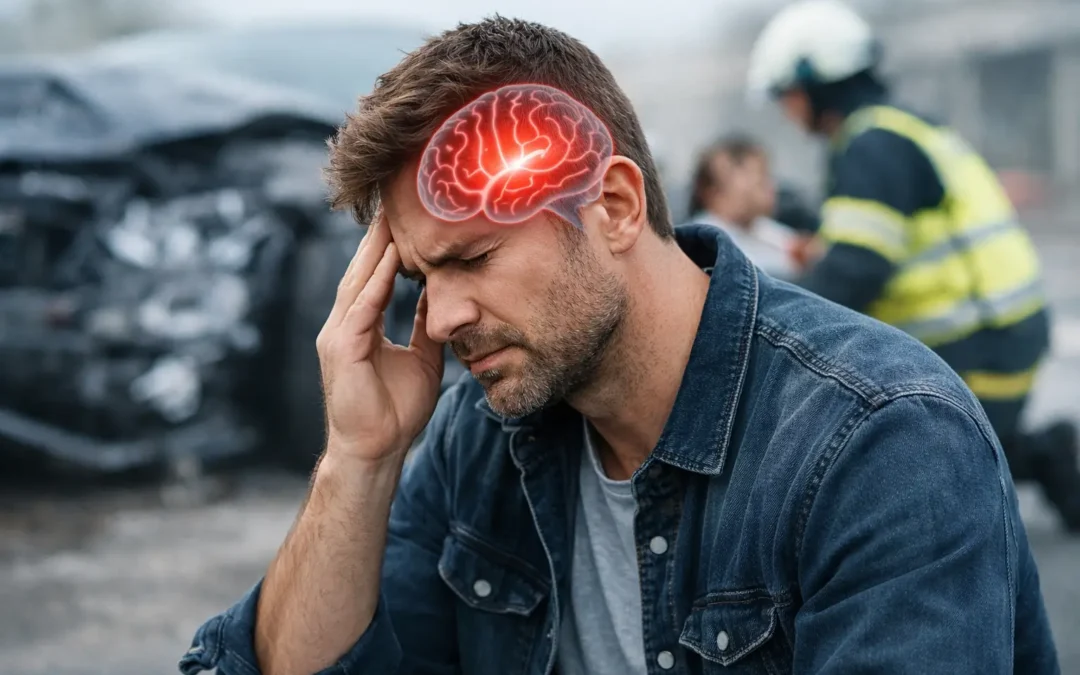
A driver can walk away from a Los Angeles collision, answer questions at the scene, and still have a serious head injury. The same is true after a fall, motorcycle crash, pedestrian accident, or blow to the head. Signs of traumatic brain injury may not be obvious in the first few minutes or even the first day. That delay can put a person’s health at risk and give an insurance company an opening to question whether the injury came from the accident.
A traumatic brain injury, often called a TBI, needs prompt medical attention. This article can help you recognize potential warning signs, but it cannot diagnose an injury. If you or someone you love has emergency symptoms after an accident, call 911 or go to the emergency room.
What Is a Traumatic Brain Injury?
A TBI occurs when a jolt, blow, or penetrating injury disrupts normal brain function. It can happen when a person’s head strikes a steering wheel, windshield, pavement, floor, or other surface. But a direct head strike is not required. The force of a violent collision can cause the brain to move within the skull, even when there is no cut, bruise, or loss of consciousness.
Injury severity varies widely. A concussion is generally considered a mild TBI, but “mild” describes the initial clinical classification, not necessarily how disruptive the symptoms may become. Some people improve quickly. Others experience persistent headaches, concentration problems, mood changes, balance issues, or difficulty returning to work.
Immediate Signs of Traumatic Brain Injury
At an accident scene, adrenaline can mask pain and confusion. Do not assume that feeling alert means you are uninjured. Tell first responders about any head impact, sudden neck movement, blackout, confusion, or unusual symptoms, even if they seem minor.
Possible early signs include headache, nausea, vomiting, dizziness, blurred or double vision, ringing in the ears, light sensitivity, noise sensitivity, and problems with balance. A person may feel foggy, dazed, slowed down, or unable to remember what happened just before or after the crash.
Changes in behavior and thinking also matter. Someone with a brain injury may struggle to follow a conversation, repeat questions, become unusually irritable, cry unexpectedly, or seem unlike themselves. Family members often notice these changes before the injured person does.
Loss of consciousness should always be taken seriously, whether it lasts seconds or longer. Still, many people with a concussion or another TBI never lose consciousness. Insurance adjusters sometimes focus on this fact to minimize a claim. Medically, it does not rule out a real brain injury.
Emergency Warning Signs That Require Immediate Care
Certain symptoms may signal a worsening injury or bleeding in or around the brain. Seek emergency help immediately if an injured person has a headache that becomes severe or continues to worsen, repeated vomiting, increasing confusion, slurred speech, unusual weakness or numbness, seizures, or loss of coordination.
Other urgent warning signs include one pupil larger than the other, extreme drowsiness or inability to wake up, agitation that is getting worse, clear fluid or blood from the nose or ears, or a loss of consciousness after the accident. Do not drive yourself if you are dizzy, confused, or having vision problems. Call 911 or have someone take you to emergency care.
Children, older adults, and people who take blood thinners deserve particular caution after a head injury. Their symptoms can be harder to identify or their risk of internal bleeding may be higher. When in doubt, get evaluated.
Symptoms Can Appear Hours or Days Later
A common mistake after a car accident is declining care because there is no immediate pain. Symptoms may develop after the shock wears off or become more noticeable when a person tries to return to work, drive, use a computer, or manage a busy household.
Watch for headaches that persist, sleep changes, fatigue, difficulty finding words, trouble concentrating, memory gaps, and a reduced ability to manage ordinary tasks. Emotional symptoms can include anxiety, depression, irritability, or a feeling of being overwhelmed. These changes are not a character flaw or something a person should simply push through. They may be part of the injury and should be discussed with a qualified medical professional.
Keep a simple daily record of symptoms, appointments, medication, and activities that make symptoms worse. For example, note whether headaches intensify after screen time, whether bright lights trigger nausea, or whether you cannot complete a task you performed easily before the accident. This information can help your medical providers evaluate your condition and document its real impact.
What to Do After a Suspected Head Injury
The right next step depends on the symptoms and the circumstances, but delaying care is rarely worth the risk. Get medical evaluation as soon as possible and follow the provider’s instructions about rest, work, driving, exercise, and follow-up visits. Do not return to a job, sport, or physically demanding activity simply because others expect you to be fine.
If the injury followed a crash, fall, dog attack, unsafe property condition, or other incident caused by someone else, preserve the details while they are still available. Save photos of the scene and visible injuries, names of witnesses, incident reports, damaged property, and all medical paperwork. If you are too injured to do this, ask a family member to help.
Be careful with insurance conversations. You can report an accident and provide basic facts, but you do not need to guess about your diagnosis, minimize symptoms, or accept a quick settlement before doctors understand the full extent of your injury. A recorded statement given while you are in pain, confused, or medicated can later be used against you.
How a Brain Injury Can Affect a California Injury Claim
A TBI can create losses that are far larger than an emergency room bill. Some people need imaging, neurologic care, therapy, medication, rehabilitation, and continuing monitoring. Time away from work can reduce income, while cognitive or emotional symptoms may affect a person’s ability to perform the same job at all.
California personal injury claims may seek compensation for accident-related medical expenses, lost income, reduced earning ability, pain and suffering, and other legally recoverable damages. The value of a claim depends on the evidence, available insurance coverage, fault, the nature of the injury, and how it affects daily life. No responsible lawyer should promise a specific result before investigating the facts.
Brain injury cases are often disputed because symptoms such as headaches, fatigue, and memory problems are not always visible on an X-ray. Strong documentation matters. Medical records, follow-up recommendations, symptom journals, witness observations, employment records, and testimony from appropriate medical experts can all help show what changed after the accident.
Protecting a Loved One Who May Have a TBI
A person with a head injury may insist they are fine, forget instructions, or become frustrated when others raise concerns. Stay calm and focus on safety. Do not leave someone alone if they are showing serious or worsening symptoms. Help them attend appointments, write down questions for the doctor, and track changes in behavior, sleep, pain, and functioning.
For families, the legal and insurance burden can arrive at the worst possible time. Bills, adjuster calls, missed work, and uncertainty can make recovery harder. LionsGate Law Group helps injured people and families in Los Angeles and the San Fernando Valley understand their options, deal with insurance pressure, and pursue the compensation their recovery may require.
After a head injury, trust the warning signs and seek care early. Your health comes first, and the records created now can protect both your medical recovery and your ability to hold the responsible party accountable later.