
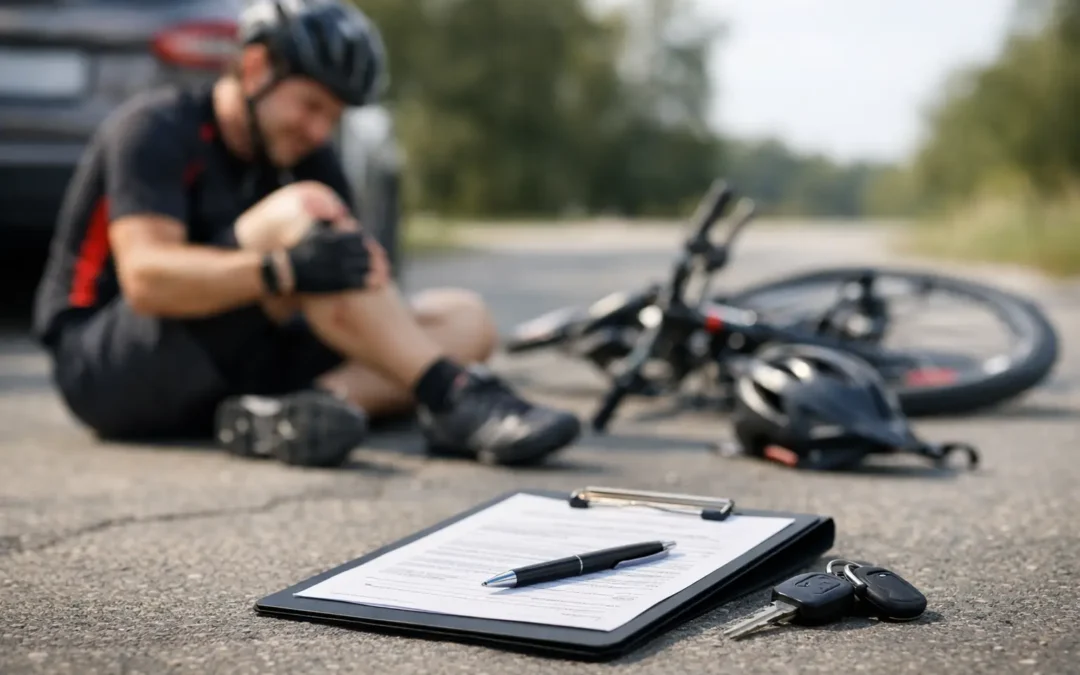
A bicycle collision can change the course of an ordinary day in seconds. One moment, you are riding to work, crossing an intersection, or heading home through the Valley. The next, you may be dealing with an ambulance ride, a damaged bike, missed work, and an insurance adjuster looking for a quick statement. A bicycle accident injury claim can help you pursue the financial support needed to recover, but the steps you take early on can make a real difference.
California cyclists have rights on the road. When a driver, property owner, delivery company, or another negligent party causes a crash, the injured rider should not be left to carry the consequences alone. At LionsGate Law Group, we help injured people and families take the legal burden off their shoulders while they focus on medical recovery.
Get Medical Care Before You Try to Prove Your Case
Your health comes first, even if you believe the injury is minor. Bicycle crashes often cause injuries that are not immediately obvious, including concussions, internal injuries, soft-tissue damage, and fractures. Adrenaline can mask pain at the scene, and symptoms may appear or worsen hours later.
Prompt medical care also creates a record connecting the crash to your injuries. Tell the doctor, urgent care provider, or emergency room staff what happened and describe every symptom honestly. Follow-up visits, specialist referrals, physical therapy, and prescribed treatment matter both to your recovery and to documenting the full impact of the collision.
Avoid minimizing your condition because you do not want to make a fuss. If your shoulder hurts, you have headaches, or your knee makes it difficult to walk, say so. A gap in treatment can give an insurance company room to argue that you were not seriously hurt or that the accident did not cause the condition.
Preserve Evidence for a Bicycle Accident Injury Claim
The physical scene changes quickly. A damaged vehicle gets repaired, a broken bicycle is discarded, and nearby security footage may be erased within days. If you are able, or if someone you trust can help, preserve as much information as possible.
Take photographs of your injuries, bicycle, helmet, clothing, the vehicle involved, road conditions, traffic signals, skid marks, and the overall intersection or roadway. Keep the damaged helmet and bicycle rather than throwing them away or repairing them right away. They may show the force and direction of the impact.
Get the driver’s name, insurance information, license plate number, and contact details. If witnesses stopped, ask for their names and phone numbers. Independent witnesses can be especially valuable when the driver claims you appeared suddenly, ignored a signal, or caused the crash.
If law enforcement responds, ask how to obtain the traffic collision report. The report may identify witnesses, include the officer’s observations, and note whether a driver was cited. It is helpful evidence, but it is not always the final word on fault. A careful investigation may reveal video footage, vehicle data, road-design issues, or other evidence that tells a fuller story.
Be Careful With Insurance Companies
An adjuster may sound concerned and friendly. Their job, however, is to protect the insurance company’s financial interests. They may ask for a recorded statement before you know the extent of your injuries, suggest you were partly at fault, or offer money before you have completed treatment.
You can report the collision and provide basic facts, but be cautious about recorded statements, broad medical authorizations, or accepting a settlement check. Once you settle, you generally cannot return for additional compensation if your injuries prove more serious than expected.
This is particularly important after a collision involving a commercial vehicle, rideshare driver, delivery driver, or government vehicle. These claims can involve multiple insurance policies, corporate defendants, and deadlines that are easy to miss. A driver working for a delivery platform may have personal coverage, employer-related coverage, or both. The facts matter.
Who May Be Responsible for the Crash?
Many bicycle collisions happen because a driver fails to see a cyclist. Common examples include a driver turning left across a bike lane, opening a car door into a rider’s path, passing too closely, backing out without checking, speeding through an intersection, or driving while distracted.
Liability is not limited to the person behind the wheel. Depending on the circumstances, a bicycle accident injury claim may involve the driver’s employer, a vehicle owner, a rideshare or delivery-related insurer, a property owner, or a public entity responsible for a dangerous roadway condition.
California follows a comparative negligence rule. That means an injured cyclist may still recover compensation even if they are found partly responsible for the collision. Any recovery can be reduced by the cyclist’s share of fault. Insurance companies often use this rule aggressively, pointing to a lack of helmet, visibility concerns, lane position, or an alleged traffic violation. Those arguments do not automatically defeat a claim. The actual evidence and the applicable traffic laws must be examined carefully.
Calculate More Than the First Medical Bill
A fair claim should account for the ways a crash affects your life, not simply the first emergency room invoice. Depending on the injuries and available insurance coverage, compensation may include medical expenses, future treatment, lost income, reduced earning ability, bicycle and personal-property damage, pain and suffering, and the loss of normal daily activities.
For a serious injury, future losses can be substantial. A rider with a traumatic brain injury, spinal injury, severe road rash, broken bones, or a condition requiring surgery may need months or years of care. Someone who works in construction, health care, entertainment production, or another physical profession may be unable to return to the same job right away. A settlement that looks acceptable in the first few weeks can become inadequate when future needs become clear.
Keep a simple record of how the injury affects you. Note missed workdays, medical appointments, medication, sleep problems, mobility limitations, canceled plans, and activities you can no longer do. Save receipts and invoices. These details help show the human cost of the collision, not just the numbers on a bill.
Do Not Wait Too Long to Get Legal Advice
In many California personal injury cases, the deadline to file a lawsuit is generally two years from the date of injury. But there are exceptions, and claims involving a city, county, state agency, or other public entity often require a government claim within six months. Waiting can also mean losing video evidence and witness cooperation.
A lawyer can evaluate who may be responsible, preserve evidence, communicate with insurers, coordinate with your medical providers, and calculate the losses that should be included in your claim. Not every case needs a lawsuit, but an insurer is more likely to take a claim seriously when it knows the injured person has counsel willing to prepare the case and fight for a fair result.
What to Bring to a Free Consultation
You do not need to have every document before speaking with an attorney. Bring or share what you have: photographs, the collision report number, insurance letters, medical records and bills, contact information for witnesses, and proof of missed work. If you do not have some of these items, that is not a reason to delay. An experienced legal team can help identify what is missing and take steps to obtain it.
A crash should not force you to choose between getting care and protecting your rights. If someone else’s carelessness put you in this position, ask questions early, protect the evidence, and let a committed advocate carry the fight while you put your energy where it belongs: healing.