
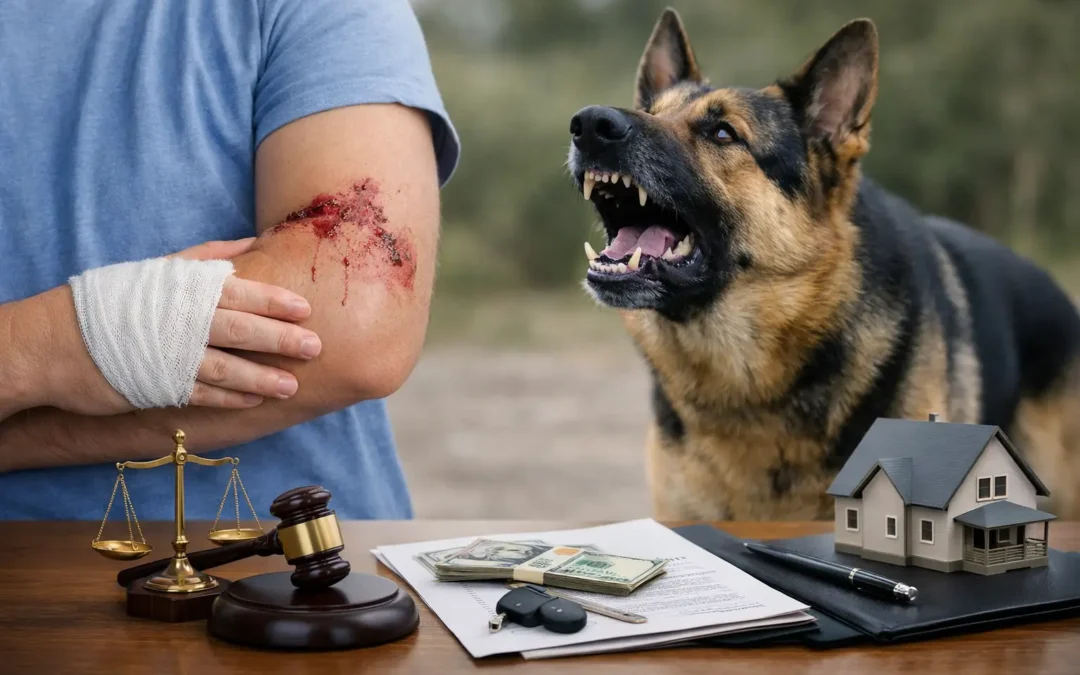
A dog bite can turn an ordinary visit, walk, or delivery into an emergency. After the first medical bill arrives, families understandably ask: who pays for dog bite injuries? In California, the dog’s owner is often legally responsible, but the money typically comes from an insurance policy rather than directly from the owner’s bank account.
That distinction matters. Insurance companies may question how the incident happened, argue that the victim caused the dog to react, or minimize the seriousness of scars and emotional trauma. Knowing where compensation may come from helps you protect your claim while you focus on healing.
Who Pays for Dog Bite Injuries Under California Law?
California has one of the stronger dog-bite laws in the country. Under California Civil Code Section 3342, a dog owner is generally liable when their dog bites someone who is in a public place or lawfully on private property. The injured person usually does not have to prove that the dog previously bit someone, growled at visitors, or had a known history of aggression.
In plain terms, the owner may be responsible even if they say, “My dog has never done that before.” This is commonly called strict liability.
Strict liability does not mean every case is automatic. The details still matter. A person who was trespassing may face a more difficult claim. So may someone who provoked the dog or was performing a job in an area where access was restricted. Children, social guests, postal workers, delivery drivers, contractors, and people walking on public sidewalks are often lawfully present, but each situation should be evaluated carefully.
The law also focuses on bites. If a dog knocks someone down without biting them, such as when a large dog jumps on a visitor and causes a broken wrist, a claim may still exist. However, it may require proof that the owner was negligent, such as failing to use a leash or control a dog known to jump on people.
The Insurance Policy Usually Pays First
In many California dog-bite claims, the owner’s homeowners insurance or renters insurance is the primary source of compensation. These policies may provide personal liability coverage for injuries caused by the policyholder’s dog, including injuries suffered by a guest, neighbor, child, or passerby.
Coverage can pay for more than the initial urgent-care visit. Depending on the policy and the facts, a claim may seek compensation for emergency treatment, surgery, follow-up care, physical therapy, medication, lost income, scarring, pain, emotional distress, and future medical needs.
A serious bite can leave far more than puncture wounds. Facial injuries may require plastic or reconstructive procedures. Hand injuries can interfere with a person’s ability to work. Children may develop a lasting fear of dogs, nightmares, or anxiety after an attack. A fair claim must account for the full impact of the injury, not merely the first stack of medical invoices.
Policy Limits Can Affect Recovery
Insurance coverage is not unlimited. A homeowner may have $100,000, $300,000, or a higher liability limit. If damages exceed the available coverage, the dog owner may be personally responsible for the remaining amount. Whether pursuing personal assets is practical depends on the owner’s financial circumstances and the severity of the injury.
Some insurers exclude certain dog breeds, deny coverage based on a dog’s bite history, or impose special conditions on animal-related claims. A coverage denial is not always the final answer. The policy language, the insurer’s investigation, and the identity of the insured all deserve close review before an injured person gives up on a claim.
Can a Landlord Pay for a Dog Bite?
Sometimes, but not simply because the bite happened at a rental property. In most cases, the tenant who owns or keeps the dog is the party responsible. The tenant’s renters insurance may provide coverage, and the dog owner can be sued directly if insurance is unavailable or insufficient.
A landlord may be liable when they knew or should have known that a dangerous dog was on the property and had the ability to remove the threat or require safeguards. For example, a landlord may face a claim if they knew a dog had attacked or threatened people in a shared courtyard, received complaints, and failed to take reasonable action.
Landlord cases can be difficult because knowledge and control are central issues. Did the landlord know the dog was aggressive? Did the attack occur in a common area? Did the lease permit the landlord to act? Were there written complaints, prior incident reports, text messages, or witnesses? These facts can determine whether a landlord’s insurance should be part of the claim.
Other Parties May Share Responsibility
The dog’s legal owner is not always the only person involved. A person who was caring for the dog, a business that allowed a dangerous animal on its premises, or a property manager with notice of a risk may also bear responsibility in the right circumstances.
Consider a dog daycare employee who negligently releases a dog near customers, or a dog sitter who ignores clear handling instructions and allows the animal to escape. Those situations may create separate negligence claims. If the bite happened during someone’s work duties, an employer’s insurance coverage could also become relevant.
Identifying every potentially responsible party is not about blaming people unfairly. It is about making sure an injured person is not left carrying medical debt and lost wages because one insurer points to someone else.
What Can a Dog Bite Victim Recover?
Compensation should reflect the real consequences of the attack. Economic losses include medical bills, future treatment, lost wages, reduced earning ability, and out-of-pocket expenses. Non-economic damages address the human cost: physical pain, permanent scarring, disfigurement, anxiety, loss of sleep, and the loss of normal daily activities.
A visible scar may have a particularly profound effect on a child, teenager, performer, salesperson, or anyone whose confidence and work are affected by appearance. Insurers may treat a wound as healed once stitches are removed. But a scar can continue to change, require revision surgery, and cause emotional harm long after the initial injury.
If a dog attack causes a fatal injury, surviving family members may have a wrongful-death claim. These cases demand careful, compassionate handling because no financial recovery can replace a loved one.
Steps to Take After a Dog Bite
Get medical care promptly, even if the wound initially appears minor. Dog bites carry risks of infection, nerve damage, tendon injury, and disease exposure. Follow your provider’s treatment instructions and keep records of every appointment, prescription, and medical recommendation.
If possible, report the bite to local animal control or law enforcement and obtain the dog owner’s name, address, and insurance information. Take clear photographs of the injuries as they heal, the location of the incident, torn clothing, and any visible lack of fencing or restraints. Witness names and contact information can become very important if the dog owner later disputes what happened.
Be cautious with insurance adjusters. A request for a recorded statement or a quick settlement offer may sound routine, but it can limit your options before the full extent of your injuries is known. You do not need to accept an insurer’s first number just because bills are arriving.
Do Not Wait Too Long to Protect Your Claim
California generally gives injured people two years from the date of injury to file a personal injury lawsuit. Claims involving public entities can require much faster action, often within six months. Deadlines can be affected by the facts of the case, the victim’s age, and other legal issues, so waiting can create unnecessary risk.
The strongest cases are usually built early, while evidence is available and memories are clear. Photographs, animal-control reports, medical records, insurance policy information, and witness statements can help establish both responsibility and the true value of the harm.
If you or a loved one was bitten, you deserve more than an insurance company’s rushed answer about what the case is worth. LionsGate Law Group can evaluate the circumstances, identify available coverage, and fight for the compensation needed to move forward with dignity and support.