
A trip and fall accident in Sherman Oaks, California, can happen when a person encounters an uneven sidewalk, a broken staircase, loose flooring, cluttered walkways, or another hazardous property condition. These accidents may occur outside local businesses, in apartment complexes, parking lots, shopping centers, and office buildings. A sudden fall onto concrete or another hard surface can cause serious injuries, including fractures, head trauma, cuts, and damage to the neck or back.
After an accident, victims may face medical bills, lost income, and uncertainty about who is responsible. Property owners and insurance companies may argue that the injured person should have noticed the hazard or was not paying attention. However, a fall does not automatically mean the injured person was at fault.
If a dangerous property condition contributed to your injuries, evidence may help establish negligence and support a compensation claim. Understanding how to document the accident and determine responsibility is an important step toward protecting your rights.
How to Prove the Other Party Was Negligent in Trip and Fall Accident
To pursue compensation for a trip and fall accident, you generally need to establish that the responsible party owed you a duty of care, failed to meet that duty, and caused injuries that resulted in damages.
In California, property owners and other parties responsible for maintaining premises may have a duty to take reasonable steps to keep their property safe. Depending on the circumstances, this can include inspecting walkways, repairing dangerous defects, cleaning spills, providing warnings, and addressing known hazards.
For example, a visitor walking into a Sherman Oaks business may trip over a raised section of flooring that has been left unrepaired. If the responsible party knew or reasonably should have known about the dangerous condition and failed to take appropriate action, that evidence may support a negligence claim.
Important evidence for Trip and Fall Accident may include:
- Photographs and videos: Images of the hazard, surrounding area, lighting, and location of the fall.
- Witness statements: Accounts from people who saw the fall or noticed the dangerous condition beforehand.
- Incident reports: Records created by a property manager, business, or other responsible party after the accident.
- Medical records: Documentation of the injuries, diagnosis, treatment, and recovery.
- Maintenance records: Inspection logs, repair requests, cleaning schedules, and records showing how the hazard was handled.
- Surveillance footage: Available video that shows the accident or the condition of the property beforehand.
The circumstances of each case matter. A property owner is not automatically liable simply because someone fell on their premises. Evidence must support the relevant elements of negligence and causation.
Prove You Were Acting Reasonably
Another important part of a trip and fall claim is understanding whether your own actions contributed to the accident. Insurance companies may argue that a person ignored warning signs, entered a restricted area, or failed to pay reasonable attention to their surroundings.
However, an allegation of carelessness does not automatically prevent an injured person from recovering compensation.
California generally follows a comparative negligence system. If an injured person shares responsibility for a fall, their compensation may be reduced according to their percentage of fault rather than automatically eliminated.
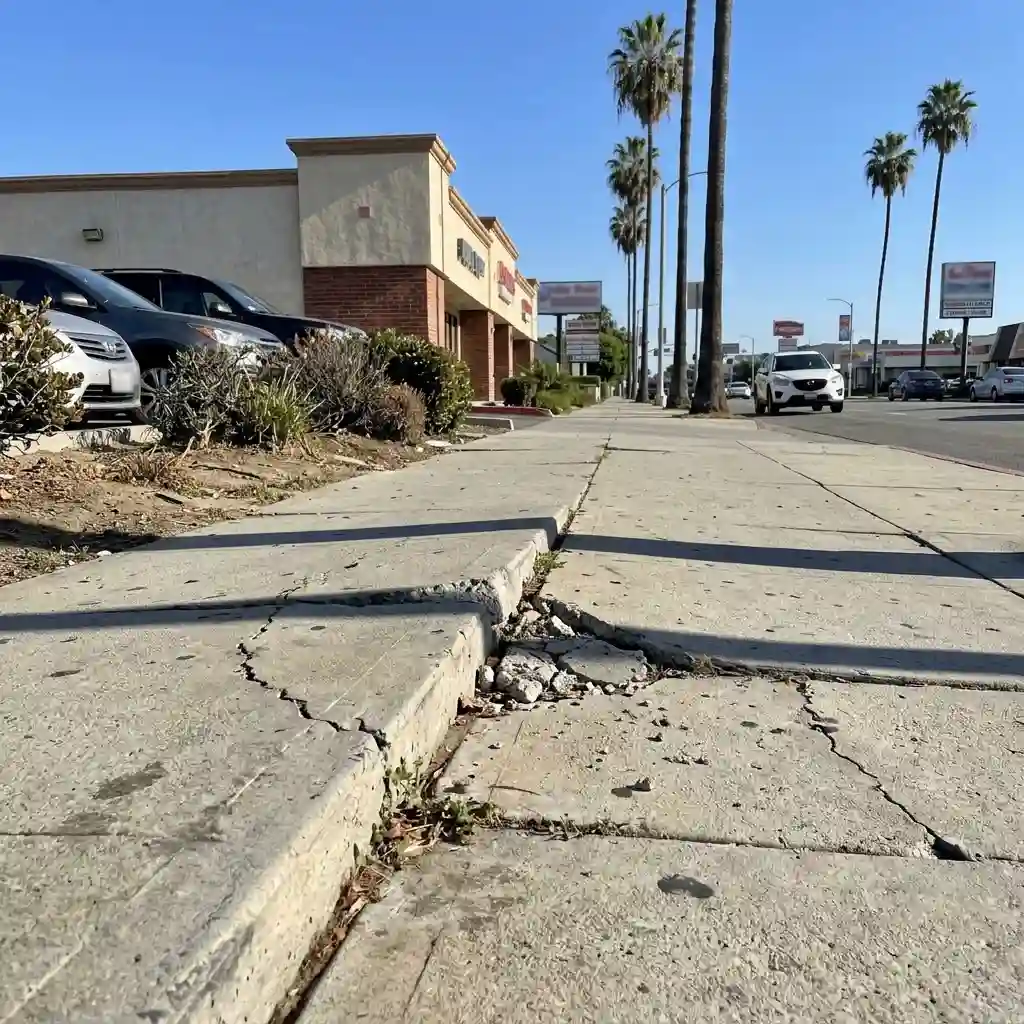
For example, someone may trip over a broken section of pavement outside a Sherman Oaks commercial property. The insurer might argue that the person should have noticed the defect. A careful investigation could reveal that the damaged area was difficult to see because of poor lighting or that the property owner had received previous complaints about the hazard.
Evidence such as photographs, witness statements, inspection records, and surveillance footage can help clarify what happened. Avoid making assumptions about fault before the available facts have been reviewed.
Why You Should Contact a Trip and Fall Lawyer
After a serious fall, dealing with insurance companies and gathering evidence can be difficult, particularly while you are recovering from an injury. A personal injury attorney can assess the circumstances, explain potential legal options, and help determine whether a claim may be appropriate.
Acting promptly can also be important because evidence may disappear. Surveillance recordings may be overwritten, hazardous conditions may be repaired, and witnesses may become harder to locate.
A lawyer can help preserve available evidence, investigate the property’s condition, and identify potentially responsible parties. Legal guidance may be particularly useful when the property owner disputes responsibility or an insurance company argues that you caused your own injuries.
Lionsgate Law Group APC represents people injured by hazardous property conditions in Sherman Oaks and throughout the San Fernando Valley. The firm handles premises liability cases involving uneven walkways, broken stairs, wet floors, inadequate lighting, and other potentially dangerous conditions.
How a Personal Injury Lawyer Can Help Your Case
Gather and Preserve Evidence
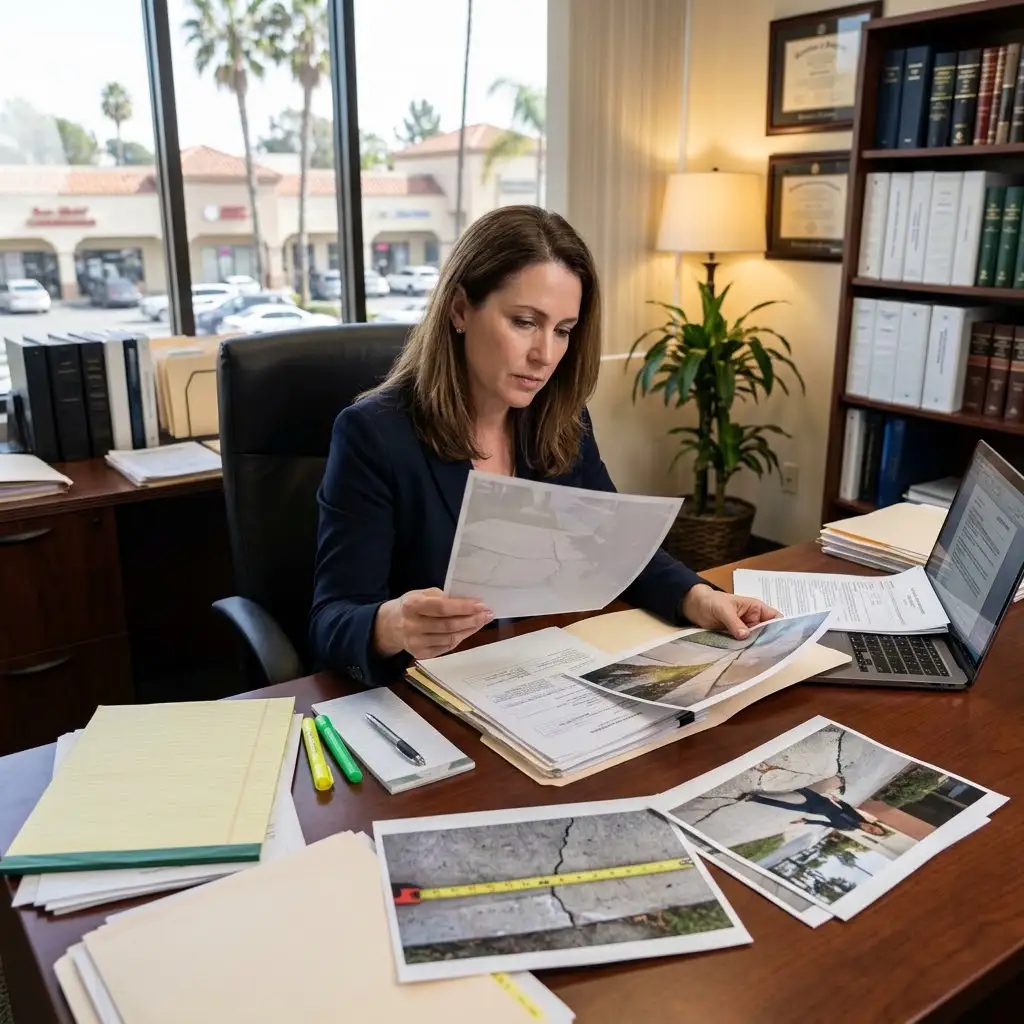
Evidence is essential when establishing how a trip and fall accident happened. An attorney can help identify relevant records, request available surveillance footage, collect witness information, and examine maintenance or inspection documents.
For instance, a trip and fall outside a Sherman Oaks apartment building may involve uneven pavement that the property manager had previously been asked to repair. Maintenance records and prior complaints could help establish whether the responsible party knew about the condition.
An attorney can also help organize medical records, treatment expenses, employment information, and other documentation needed to evaluate the injury claim.
Explain Your Legal Options
A trip and fall lawyer can explain how California premises liability law may apply to your circumstances. This includes reviewing potential liability, identifying possible sources of insurance coverage, and discussing whether negotiating a settlement or pursuing litigation may be appropriate.
Your attorney can also help evaluate the potential value of your claim based on documented medical expenses, lost income, pain and suffering, and other damages that may be recoverable under the law.
Not every accident results in a valid claim, and the available options depend on the facts. An informed assessment can help you make decisions based on the evidence rather than assumptions made by an insurer.
Negotiate With the Insurance Company
Insurance companies investigate claims before deciding whether to offer compensation. They may question whether the property owner was negligent, whether the hazard caused the fall, or whether the requested damages are supported by the evidence.
An attorney can communicate with the insurer, present relevant documentation, address disputes, and negotiate on your behalf. While legal representation cannot guarantee a larger settlement or a particular outcome, it can help ensure that important evidence and losses are considered.
Avoid accepting a settlement before understanding the extent of your injuries and potential future expenses. Signing a settlement release may limit your ability to pursue additional compensation for the same incident.
Handle Legal Proceedings When Necessary
If the parties cannot agree on responsibility or compensation, filing a lawsuit may become necessary. Litigation can involve formal evidence exchange, depositions, motions, settlement discussions, and potentially a trial.
A trip and fall attorney can explain the applicable procedures, prepare the necessary legal documents, and represent your interests throughout the process. Whether litigation is appropriate depends on the strength of the evidence, the disputed issues, and the available options.
California also has filing deadlines for personal injury lawsuits. The general deadline for many personal injury claims is two years from the date of injury, but exceptions apply. Claims involving government entities can have substantially shorter notice deadlines, so prompt legal advice is important.
What to Do After a Trip and Fall Accident in Sherman Oaks
Taking a few practical steps after an accident can help protect your health and preserve information about the incident.
Report the fall. Notify the property owner, business manager, or responsible staff member. Request that the incident be documented and keep a copy of any report if available.
Photograph the hazard. If it is safe to do so, capture images of broken pavement, uneven flooring, loose materials, poor lighting, or other conditions that may have contributed to the fall.
Collect witness details. Ask witnesses for their contact information and, if appropriate, a brief account of what they observed.
Seek medical attention. Have your injuries evaluated and follow the recommended treatment plan. Some injuries may become more noticeable after the accident, and medical records can help document your condition.
Keep relevant records. Save medical bills, receipts, employment records, photographs, and communications with the property owner or insurer.
Get legal advice before settling. An attorney can review the circumstances and help you understand the possible consequences of accepting an offer or signing a release.
How Lionsgate Law Group APC Can Help After a Trip and Fall
Proving that a trip and fall accident was not entirely your fault often requires a careful review of the property’s condition, the responsible party’s knowledge of the hazard, and the events leading to the injury.
Lionsgate Law Group APC is a California personal injury law firm based in Sherman Oaks. The firm represents injured people in premises liability cases throughout Sherman Oaks and the San Fernando Valley, including accidents involving unsafe walkways, poorly maintained stairs, wet floors, and other hazardous property conditions.
The firm’s approach may include investigating the accident, reviewing available maintenance records and surveillance footage, identifying potentially responsible parties, documenting damages, and communicating with insurance companies. If a fair settlement cannot be reached, the firm can explain potential legal options based on the facts of the case.
Every trip and fall accident is different. Whether compensation is available depends on the evidence, the applicable legal duties, causation, and any comparative fault.
Contact a Trip and Fall Lawyer in Sherman Oaks
If you were injured after tripping over a hazardous condition on someone else’s property, you may have questions about responsibility, medical expenses, and your right to compensation. You do not have to navigate the claims process alone.
Contact Lionsgate Law Group APC to discuss your accident and request a free case review.
Phone: 818-574-5494
Office address: 15303 Ventura Blvd, Suite 1050, Sherman Oaks, CA 91403.
Office hours: Monday through Friday, 9:00 AM to 5:00 PM.
Visit the Slip and Fall Lawyer in Sherman Oaks service page to learn more about the firm’s services.
Frequently Asked Questions
How do I prove a trip and fall accident wasn’t my fault?
Useful evidence may include photographs, witness statements, surveillance footage, medical records, and maintenance documents. The evidence must support the applicable legal requirements for negligence and causation.
Can I recover compensation if I was partly responsible for my fall?
Possibly. California generally applies comparative negligence, which means your compensation may be reduced according to your share of responsibility rather than automatically barred.
What if the property owner says they didn’t know about the hazard?
Liability may depend on whether the owner or responsible party knew or reasonably should have known about the dangerous condition and had a reasonable opportunity to address it. Inspection records, prior complaints, and witness testimony may be relevant.
What compensation can I seek after a trip and fall accident?
Depending on the circumstances, compensation may include medical expenses, lost income, future losses, and pain and suffering. The amount depends on the evidence, liability, and applicable law.
How long do I have to file a trip and fall claim in California?
Many California personal injury lawsuits are subject to a general two-year deadline from the date of injury. Exceptions apply, including special requirements for certain claims against government entities. Seek legal advice promptly to determine the deadline for your situation.
Disclaimer: This article is for general informational purposes only and is not legal advice. Each case depends on its specific facts and applicable law. Reading this article does not create an attorney-client relationship.