
Slip and fall cases can be difficult to win because an injury alone does not automatically prove that a property owner or another party is legally responsible. In California, injured individuals generally need to show that a dangerous property condition contributed to the accident and that the responsible party failed to take reasonable steps to address the hazard. The strength of the evidence, the circumstances of the fall, and the severity of the injuries can all affect the outcome of a claim.
Although some claims may resolve through an insurance settlement, others require extensive investigation or litigation. Understanding how liability is established, what evidence matters, and how to protect your legal rights can help you make informed decisions after an accident.
Why Are Slip and Fall Cases Difficult to Prove?
One of the biggest challenges in slip and fall cases is establishing who was responsible for the dangerous condition. A person may suffer serious injuries after falling on a wet floor, uneven walkway, broken step, or poorly maintained surface. However, the injured person must generally establish more than the fact that the accident occurred on someone else’s property.
A successful premises liability claim often requires evidence showing that a property owner, business, manager, or other responsible party failed to use reasonable care. This may involve proving that the party created the hazard, knew about it, or should reasonably have discovered it and addressed it.
For example, if a grocery store employee notices a spill but leaves it unattended without appropriate warnings, the store may be responsible if someone slips and suffers an injury. Similarly, a property owner may face liability when a damaged walkway creates an unreasonable risk and the owner fails to take reasonable steps to repair or warn about it.
However, each case depends on its particular facts. A property owner is not automatically liable for every fall, and a hazard’s existence alone does not establish negligence.
Who Can Be Held Liable for a Slip and Fall Accident?
Identifying the legally responsible party is an important part of evaluating a claim. Depending on where the accident occurred and who controlled the property, potential defendants may include:
- Property owners: Owners may be responsible when they fail to address dangerous conditions they created or knew, or reasonably should have known, about.
- Business owners and operators: Retail stores, restaurants, and other businesses may have a responsibility to take reasonable steps to keep areas accessible to customers safe.
- Property managers: A manager may be responsible when their duties include inspecting, maintaining, or repairing the area where the accident occurred.
- Landlords or tenants: Liability may depend on who controlled the relevant area, the terms of the lease, and the circumstances that caused the hazard.
- Government entities: A public agency may potentially be responsible for certain dangerous conditions on public property, subject to special legal requirements and deadlines.
- Other responsible parties: In some circumstances, a maintenance contractor or another individual or business may have contributed to the dangerous condition.
Determining liability is not always straightforward. More than one party may share responsibility, while some parties may have no legal responsibility despite owning or occupying the property. Investigating who controlled the area and who had a duty to address the hazard can help clarify the situation.
What Evidence Can Help You Win a Slip and Fall Case?
Evidence is often central to establishing negligence and connecting the dangerous condition to the injury. Conditions can change quickly after an accident: a spill may be cleaned, a damaged surface may be repaired, or surveillance footage may no longer be available. Taking reasonable steps to preserve relevant evidence can help protect a potential claim.
1. Photographs and Videos of the Hazard
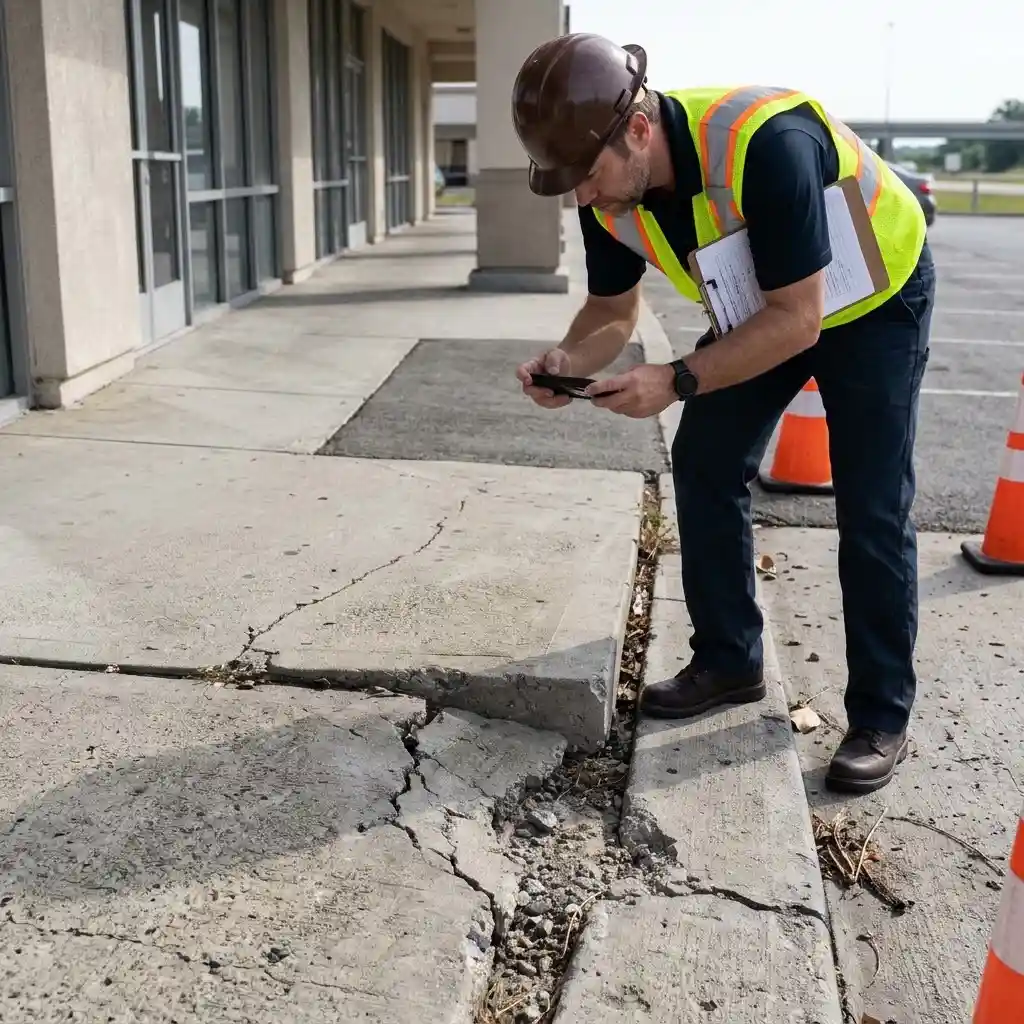
If you can do so safely, photograph or record the area where the fall occurred. Capture the specific hazard, the surrounding environment, lighting conditions, warning signs, and anything else that may help explain how the accident happened.
For example, images of a leaking refrigerator, an unmarked wet floor, a broken stair, or a raised section of pavement may help document the condition. Do not put yourself at further risk to collect evidence.
2. Incident Reports and Witness Information
Report the accident to the appropriate property representative or manager and request that an incident report be completed. Keep a record of when and where the incident occurred and whom you notified.
If anyone witnessed the fall or saw the dangerous condition beforehand, obtain their contact information if possible. Witness accounts may help establish how the hazard developed, how long it existed, or whether someone had previously reported it.
3. Medical Records and Documentation of Injuries
Seek prompt medical attention after a fall, even if your symptoms initially appear manageable. Some injuries become more noticeable over time, and a medical evaluation can help identify and treat them.
Keep copies of medical records, treatment recommendations, bills, receipts, and documentation of missed work. These records may help demonstrate the nature of your injuries, the treatment required, and the financial effects of the accident.
4. Surveillance Footage and Maintenance Records
Security camera footage may show the accident or reveal how long a hazardous condition existed. Inspection logs, cleaning schedules, maintenance records, and prior complaints may also help establish whether a responsible party knew or should have known about a problem.
An attorney may be able to send a preservation request and pursue relevant records through appropriate legal procedures. Such evidence is not always available, so it is helpful to act promptly.
Is Proving Negligence Difficult?
Proving negligence can be challenging when there is limited evidence showing how the hazard developed or whether the responsible party had notice of it. Property owners and insurance companies may dispute whether a dangerous condition existed, whether reasonable care was exercised, or whether the condition actually caused the injuries.
Under California premises liability principles, the injured person generally must establish the applicable duty of care, a failure to meet that duty, causation, and resulting damages. Evidence that a property owner created a hazard or had sufficient notice of it may be important. However, the exact evidence required depends on the circumstances, and there is no single formula that guarantees a successful result.
An injured person’s own actions may also be considered. California generally follows a comparative negligence system, meaning a person’s compensation may be reduced in proportion to their share of responsibility. Being partly at fault does not necessarily prevent recovery.
For instance, an insurance company may argue that an injured person failed to watch where they were walking. Whether that argument affects the claim depends on the available evidence and the circumstances of the accident.
What Can Make a Slip and Fall Claim Stronger?
While no particular action guarantees a favorable outcome, several steps may help preserve evidence and support a claim.
- Seek medical care and follow appropriate treatment recommendations.
- Photograph the hazard and surrounding area when it is safe to do so.
- Report the incident and retain a copy of any available report.
- Record witness details and preserve relevant communications.
- Keep medical bills, receipts, employment records, and other documentation of losses.
- Avoid guessing about the cause of the accident or making unsupported statements about responsibility.
- Consider speaking with a premises liability attorney before accepting a settlement or signing a release.
Insurance companies may request statements or documentation as they investigate an accident. Before agreeing to a settlement, consider whether the offer accounts for the known injuries, treatment needs, and other losses. Once a settlement and release are finalized, pursuing additional compensation may be difficult or impossible.
Can Slip and Fall Cases Be Settled Without Going to Court?
Yes. Some claims resolve through negotiations with an insurance company without a lawsuit going to trial. A settlement may be possible when the evidence supports liability and the parties agree on appropriate compensation.
Other cases involve disputed facts, disagreements over the value of the injuries, or questions about who was responsible. If negotiations do not produce an acceptable resolution, filing a lawsuit may be appropriate. Even then, a lawsuit does not necessarily mean the case will proceed to trial.
The time required to resolve a claim varies according to factors such as the complexity of the accident, the availability of evidence, the extent of the injuries, and the parties’ willingness to negotiate. No attorney can guarantee a particular settlement amount or outcome.
How Can a Slip and Fall Lawyer Help?
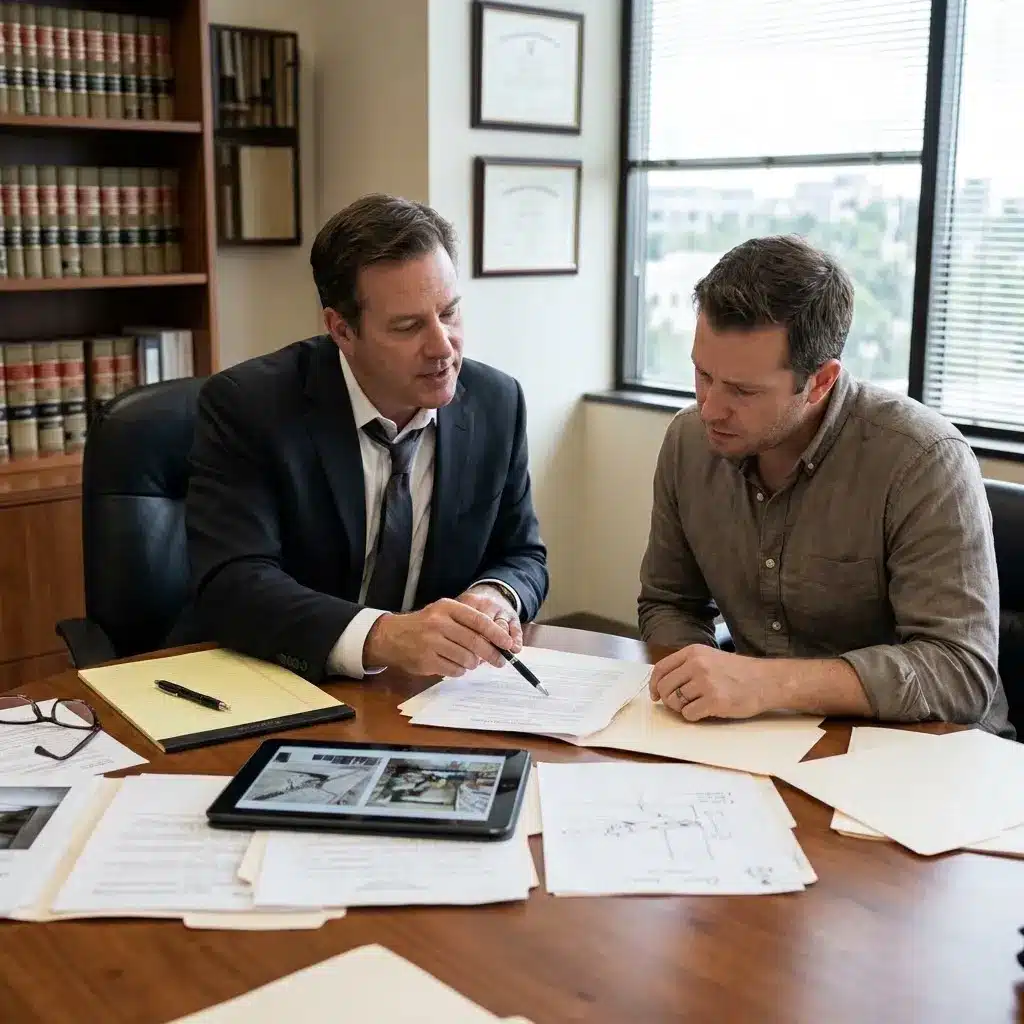
A lawyer experienced in premises liability matters can assess the circumstances of the accident, identify potentially responsible parties, and help gather relevant evidence. This may include reviewing photographs, medical records, incident reports, witness statements, surveillance footage, and maintenance documentation.
Legal representation can also help with communications with insurers, evaluating claimed losses, and determining whether a settlement offer reasonably reflects the available evidence. If a fair resolution cannot be reached, an attorney can explain the potential next steps and whether litigation may be appropriate.
Lionsgate Law Group APC assists injured individuals with personal injury matters, including claims involving dangerous property conditions. The firm’s approach to a slip and fall matter depends on the facts, evidence, and legal issues involved in the individual case.
Understand Your Legal Options After a Slip and Fall
Slip and fall cases can be challenging, but difficulty does not mean a claim cannot succeed. Establishing liability, documenting injuries, preserving evidence, and understanding the applicable legal deadlines can all influence the outcome.
In California, many personal injury lawsuits are subject to a two-year statute of limitations, but exceptions may apply. Claims involving government entities can have much shorter administrative deadlines, sometimes as little as six months. Because the correct deadline depends on the facts and the defendant, it is important to seek legal guidance promptly rather than assume that the general deadline applies.
If you were injured because of a potentially dangerous property condition, consider discussing your circumstances with a qualified attorney. Contact Lionsgate Law Group APC at 800-454-5299 to discuss your situation and ask about a consultation.
This article is for general informational purposes only and is not legal advice. Every case is different, and prior results do not guarantee a similar outcome.