
A slip and fall accident can happen in a grocery store, shopping center, apartment building, parking lot, restaurant, or other public or private property. Wet floors, uneven pavement, poor lighting, loose flooring, and neglected maintenance can create dangerous conditions that lead to serious injuries. After a fall, knowing what to do can help protect your health, document what happened, and preserve your options if someone else’s negligence contributed to the accident.
If you have been injured in a slip and fall accident in Sherman Oaks or elsewhere in California, the steps you take afterward may affect your ability to pursue a personal injury claim. Lionsgate Law Group APC helps injured individuals understand their legal options and evaluate whether a property owner or another responsible party may be liable.
1. Seek Medical Attention as Soon as Possible
Your health should be your first priority after a slip and fall. Even if you believe you have suffered only a minor injury, consider getting evaluated by a medical professional. Some injuries, including concussions, fractures, and soft tissue damage, may not be immediately apparent.
Common Slip and Fall Accident include:
- Sprains and muscle strains.
- Broken bones and fractures.
- Head injuries and concussions.
- Back and neck injuries.
- Knee, shoulder, and wrist injuries.
- Spinal cord injuries in severe cases.
If you experience severe pain, significant bleeding, loss of consciousness, or other emergency symptoms, seek emergency medical assistance.
Follow your healthcare provider’s recommendations and attend appropriate follow-up appointments. Keep copies of medical records, prescriptions, bills, and treatment instructions. These documents can help establish the nature of your injuries and the care you required.
Medical documentation alone does not establish who was responsible for the accident, but it can be important evidence when evaluating an injury claim.
2. Identify What Caused the Fall
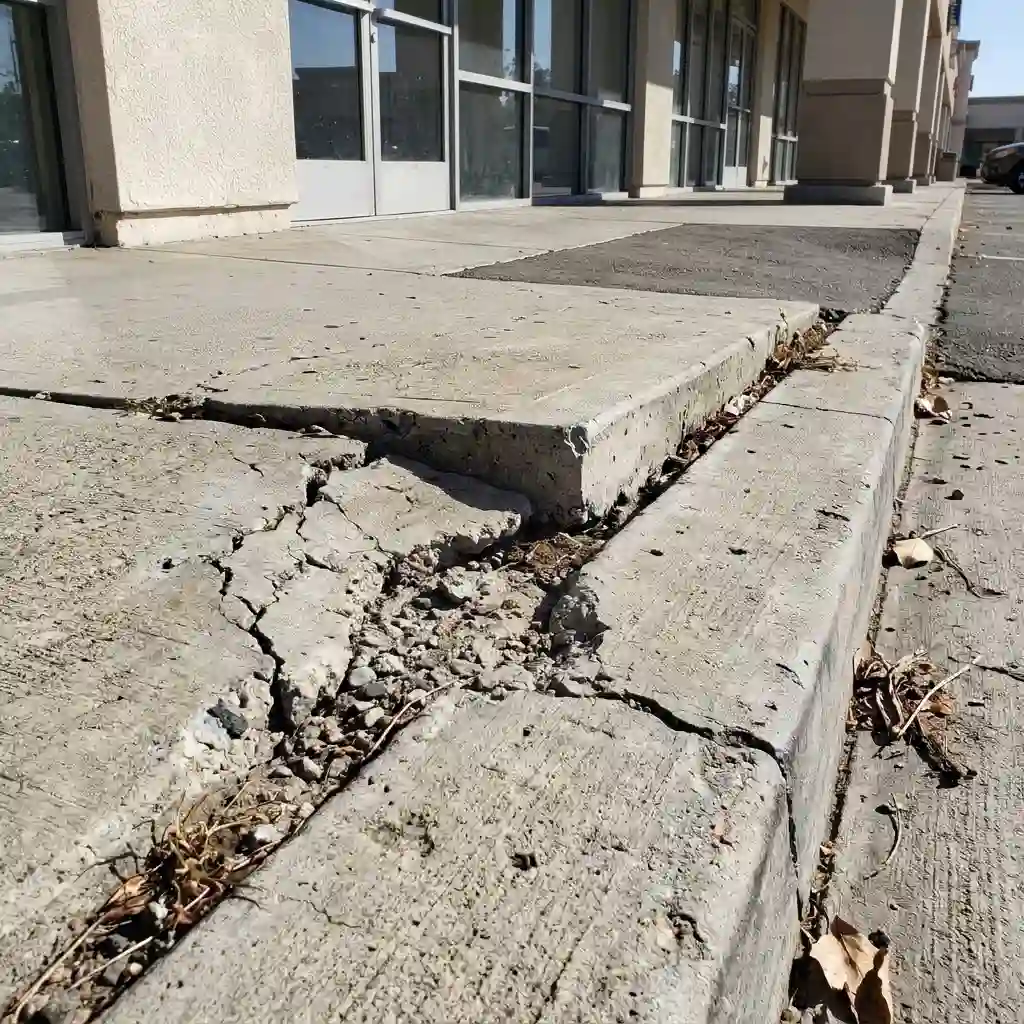
If you can do so safely, take note of the condition that caused you to fall. Understanding the potential hazard may help establish what happened and whether a property owner, occupier, maintenance company, or another party may have contributed to the accident.
Common hazards include:
- Wet or slippery floors without adequate warnings.
- Uneven sidewalks or damaged pavement.
- Loose carpets, rugs, or floorboards.
- Poor lighting in hallways and staircases.
- Broken handrails or unsafe steps.
- Objects or debris blocking walkways.
- Spills that remain unattended.
For example, imagine you slip on a wet floor inside a Sherman Oaks grocery store. Photographs showing the spill, its location, and any warning signs may help document the conditions at the time of the fall.
However, not every slip and fall automatically establishes negligence. A claim may depend on whether a responsible party created the hazard, knew about it, or should reasonably have discovered and addressed it. Other facts, including how the accident occurred, may also matter.
Avoid touching or moving hazardous objects just to collect evidence. Your safety comes first.
3. Report the Accident to the Property Manager or Appropriate Authority
After a slip and fall, notify the property owner, store manager, landlord, security personnel, or another appropriate representative as soon as reasonably possible.
Ask for an incident report to be completed and, if possible, request a copy or confirmation of the report. Record the name and position of the person you spoke with and the date you reported the incident.
When describing what happened, stick to the facts you know. Include the location, approximate time, conditions you observed, and any injuries or symptoms you experienced.
If the fall occurred in a public place, a police report is not necessarily required for every incident. Contact emergency services when needed, and seek guidance about the appropriate reporting process for the specific circumstances.
Reporting the incident promptly can create a record of the event. It does not, by itself, prove liability or guarantee compensation.
4. Gather Evidence and Witness Information
Evidence can be important when determining how a fall occurred and whether a property owner or another party may be legally responsible.
If it is safe and practical, collect the following information.
Photographs and videos: Capture the hazardous condition, surrounding area, lighting, warning signs, stairs, flooring, or other relevant features. Take pictures before the hazard is cleaned up or repaired, if possible and safe.
Witness details: Ask witnesses for their names and contact information. Their observations may help clarify what happened.
Incident records: Keep a copy of any report, correspondence with the property manager, and information about when the accident was reported.
Medical documentation: Save medical records, bills, prescriptions, and details of follow-up treatment.
Financial records: Keep records of missed work, lost income, transportation to medical appointments, and other expenses related to the injury.
In some cases, surveillance footage may have captured the fall or the conditions beforehand. You can ask the property manager to preserve relevant footage promptly. Such recordings may be overwritten or deleted under routine retention policies.
Do not trespass, enter restricted areas, or put yourself at risk to obtain evidence. An attorney may be able to help request relevant records through appropriate channels.
5. Consult a Slip and Fall Accident Lawyer
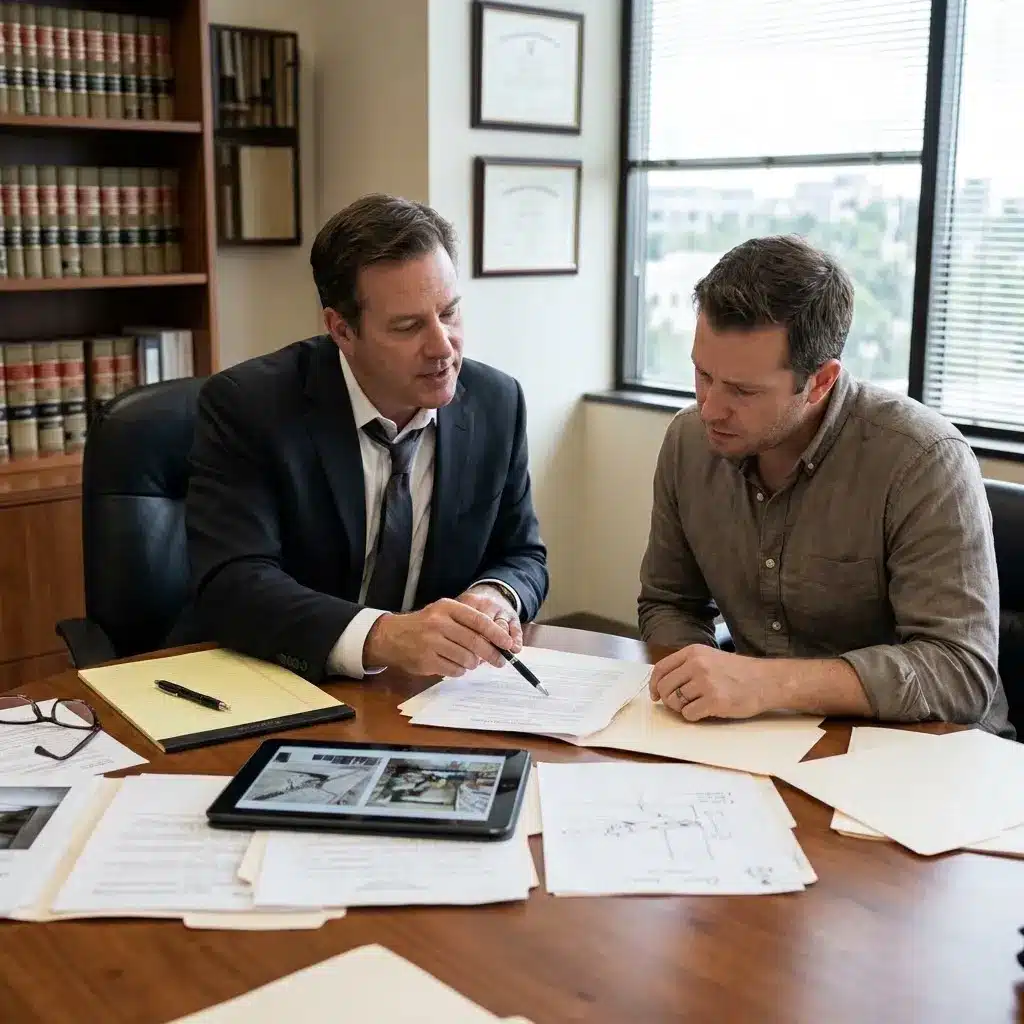
If you suffered an injury because of a potentially dangerous property condition, consider speaking with a personal injury lawyer. An attorney can assess the circumstances, explain the applicable law, and help you understand whether a claim may be available.
A slip and fall lawyer may help by:
- Reviewing how the accident occurred.
- Investigating the property’s condition and available evidence.
- Identifying potentially responsible parties.
- Gathering relevant records and witness statements.
- Reviewing medical expenses, lost income, and other documented losses.
- Communicating with insurance companies.
- Negotiating a settlement or pursuing litigation when appropriate.
Insurance companies may question liability, dispute the severity of an injury, or challenge the amount of compensation requested. Organized evidence and a clear understanding of your legal rights can help you respond to these issues.
The amount of compensation, if any, depends on the evidence, the injuries, liability, applicable insurance coverage, and other case-specific factors. No lawyer can guarantee a particular outcome.
How Long Do You Have to File a Slip and Fall Claim in California?
California generally has a two-year statute of limitations for many personal injury lawsuits, including typical premises liability claims. However, exceptions may apply. Claims involving government-owned property can have much shorter administrative claim deadlines, sometimes as little as six months.
Because the applicable deadline depends on the circumstances, do not assume that reporting the accident to a property manager or insurer preserves your right to file a lawsuit. Seeking legal guidance promptly can help you identify the deadlines that apply to your situation.
How Lionsgate Law Group Can Help After a Slip and Fall Accident
Lionsgate Law Group APC assists injured people in Sherman Oaks and throughout California with personal injury matters, including slip and fall accidents.
When a fall may have resulted from an unsafe property condition, the firm’s legal team can help review the available evidence, assess potential liability, and explain the options for pursuing compensation. This may include examining maintenance records, incident reports, witness accounts, photographs, and other information relevant to the claim.
Every case is different. Whether you have a potential claim depends on the specific facts, the applicable law, and the evidence available.
If you or a loved one has suffered an injury in a slip and fall, you do not have to navigate the legal process alone. Understanding your options can help you make informed decisions about your next steps.
Contact Lionsgate Law Group APC Today
A slip and fall accident can lead to unexpected medical expenses, time away from work, and disruption to your daily life. Seeking medical care, reporting the incident, preserving evidence, and learning about your legal options are important steps after an injury.
If you were injured on someone else’s property in Sherman Oaks or the surrounding area, contact Lionsgate Law Group APC to discuss your situation.
Call 800-454-5299 to request a free consultation.
This article is for general informational purposes only and does not constitute legal advice. Liability and deadlines depend on the facts of each case. Prior results do not guarantee a similar outcome.