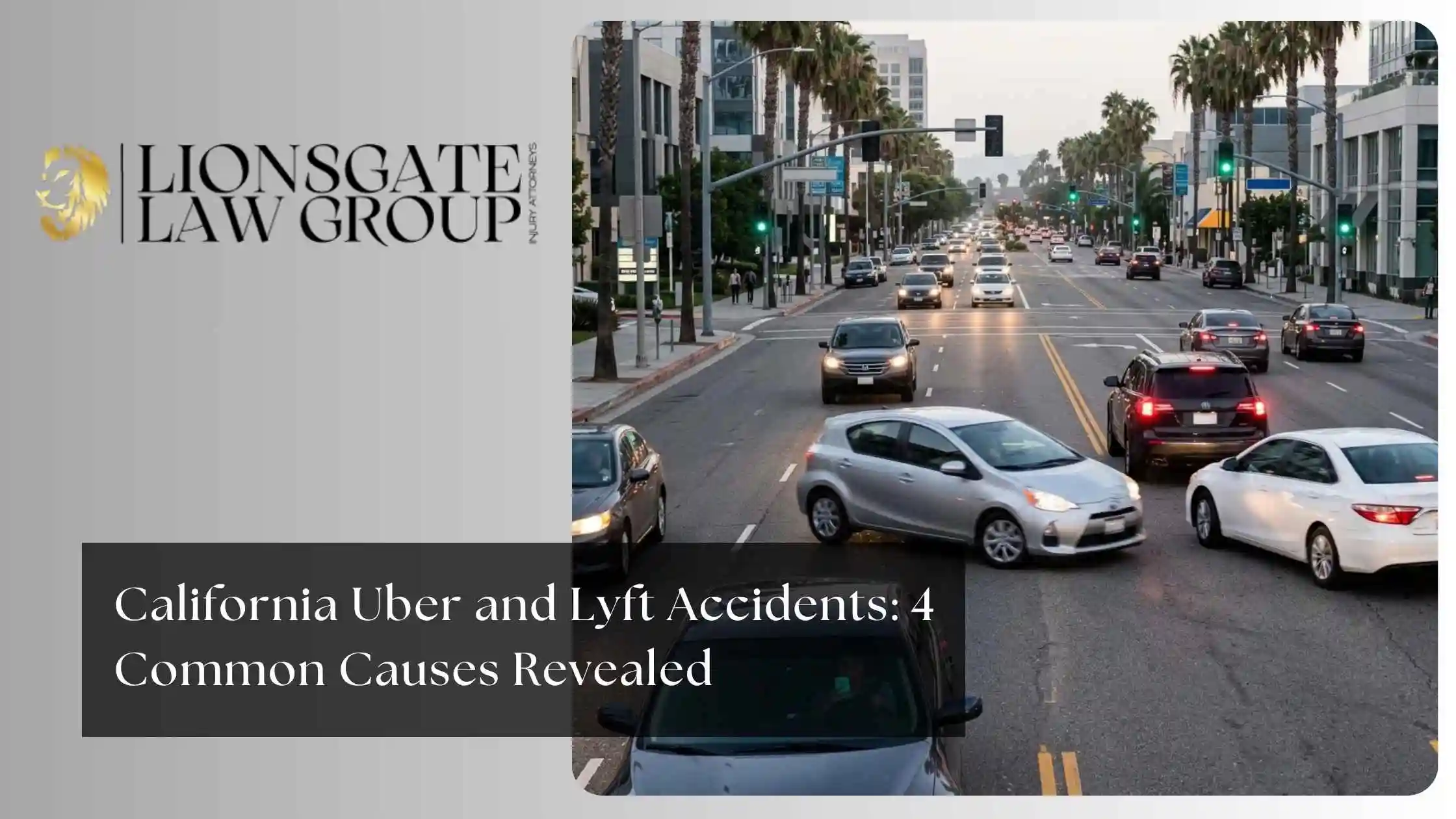
California Uber and Lyft accidents can happen when drivers become distracted, speed, violate traffic laws, or struggle to navigate unfamiliar roads. With rideshare drivers frequently using GPS, responding to ride requests, and stopping to pick up or drop off passengers, they face driving situations that require careful attention. When negligence contributes to a collision, passengers, pedestrians, cyclists, and occupants of other vehicles may suffer serious injuries.
If you have been injured in a rideshare accident in Sherman Oaks or elsewhere in the San Fernando Valley, understanding the possible causes can help you identify what happened and what steps to take next. Lionsgate Law Group APC represents people injured in Lyft-related accidents and can help them understand their potential legal options.
1. Navigating Unfamiliar Roads
Rideshare drivers often travel through neighborhoods and streets they do not know well. A driver may accept a ride in an unfamiliar area, follow GPS instructions through busy intersections, or suddenly need to change lanes to reach a pickup location.
These situations can increase the risk of unsafe driving decisions, especially when a driver looks at navigation instructions instead of watching the road.
For example, a rideshare driver traveling through Sherman Oaks may approach a busy intersection while trying to locate a passenger’s pickup point. If the driver makes a sudden turn, changes lanes without checking nearby traffic, or stops unexpectedly, another motorist or cyclist may have little time to react.
GPS technology can help drivers find their destinations, but it does not replace safe driving practices. Drivers must remain attentive to traffic signals, pedestrians, road conditions, and other vehicles.
How professional legal support helps: After a collision, an attorney can investigate the circumstances, review available evidence, and assess whether the driver’s actions contributed to the crash.
2. Traffic Law Violations
Traffic laws help drivers anticipate one another’s movements and reduce the likelihood of collisions. When a rideshare driver ignores these rules, the consequences can affect passengers and everyone else sharing the road.
Common violations that may contribute to California Uber and Lyft accidents include:
- Running red lights or stop signs.
- Failing to yield the right of way.
- Making turns without signaling.
- Changing lanes without checking blind spots.
- Passing in prohibited areas.
- Using a phone in a way that distracts from driving.
- Following other vehicles too closely.
Consider a situation in which a Lyft driver turns across an intersection without yielding to oncoming traffic. The resulting collision could injure the rideshare passenger, occupants of another vehicle, or a pedestrian crossing the street.
Determining whether a traffic violation occurred requires examining the specific facts. Relevant evidence may include police reports, witness statements, photographs, traffic camera footage, and available vehicle or app records.
Who May Be Responsible for a Rideshare Collision?
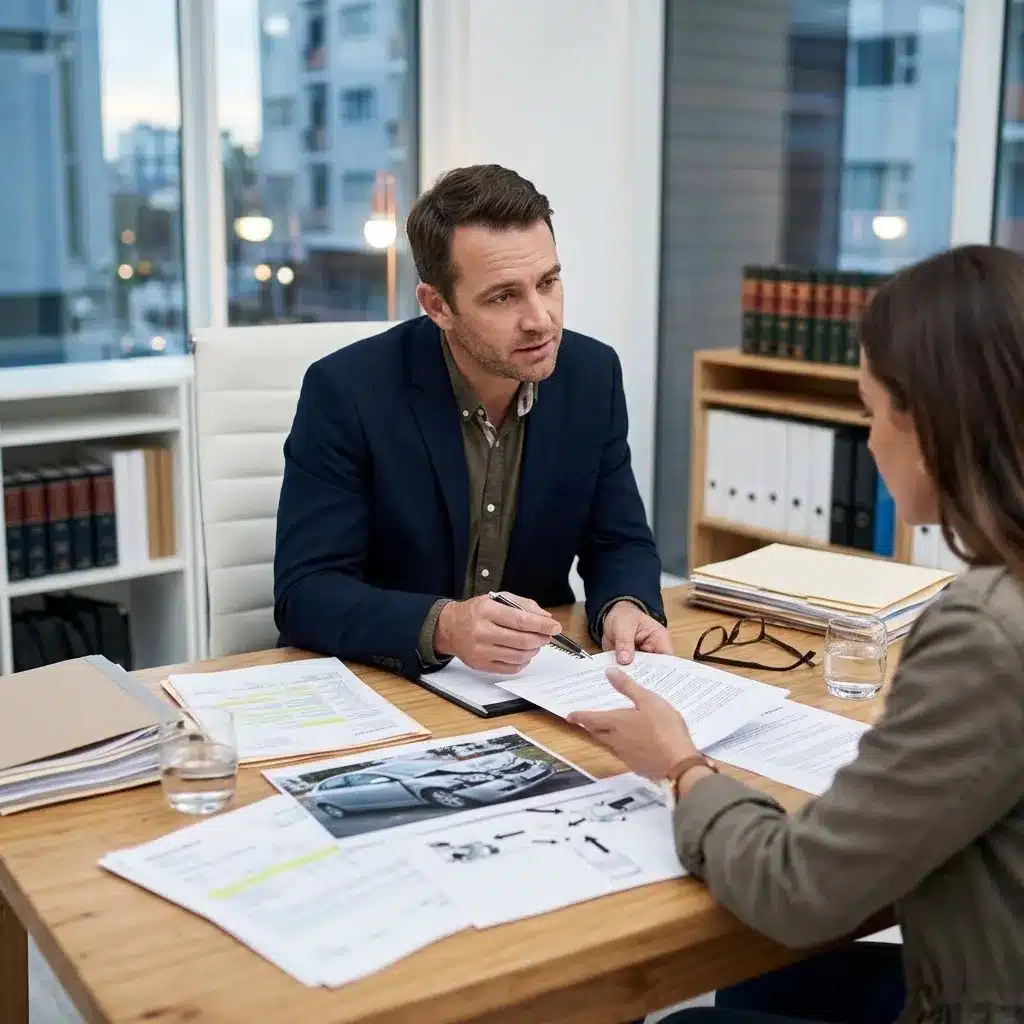
Liability depends on how the accident occurred and which parties contributed to it. A rideshare driver may be responsible for negligent driving, while other motorists or additional parties may also share responsibility in some cases.
Lionsgate Law Group’s Lyft accident practice examines the circumstances surrounding a collision to help injured people understand their potential claims. The firm can also assess whether applicable rideshare insurance coverage may be available.
3. Speeding and Unsafe Driving
Speeding is another potential cause of rideshare collisions. Driving above the posted speed limit reduces the time available to respond to hazards and can increase the severity of an impact.
Even when a driver stays within the speed limit, traveling too fast for traffic, weather, visibility, or road conditions can create danger.
Rideshare drivers may face pressure to reach pickup locations promptly or complete trips efficiently. However, meeting a passenger’s schedule does not justify unsafe driving.
Speed-related risks include:
- Having less time to react when traffic suddenly slows.
- Needing a longer distance to stop.
- Losing control when taking a turn too quickly.
- Increasing the force of a collision.
- Putting pedestrians and cyclists at greater risk.
In busy areas of Sherman Oaks and the wider San Fernando Valley, traffic congestion and frequent intersections can require sudden changes in speed. A driver who approaches these conditions too quickly may be unable to stop safely.
After a speed-related crash, investigators may examine physical evidence, witness accounts, vehicle damage, and any available video or electronic records. The evidence can help establish how the collision occurred and whether a driver’s speed contributed to the injuries.
4. Distracted Driving
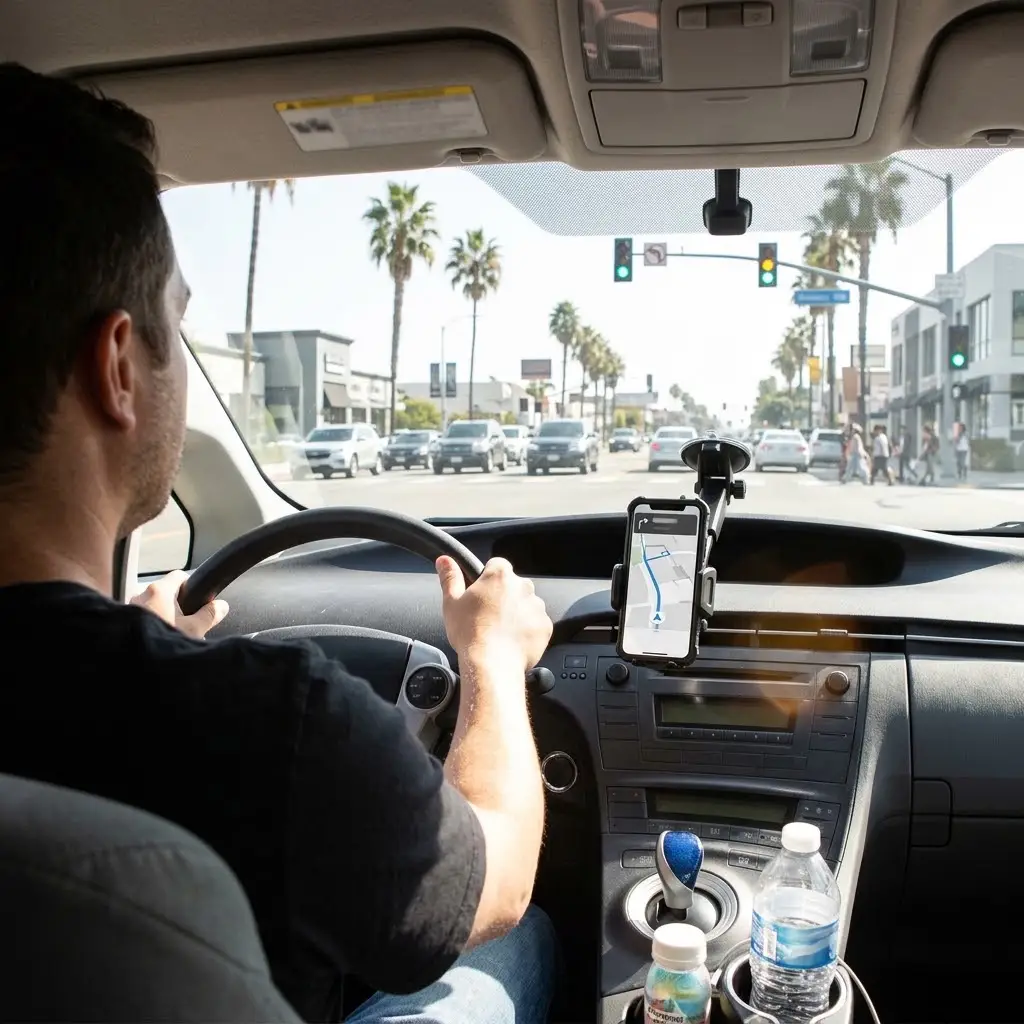
Distracted driving is particularly relevant to rideshare services because drivers may need to interact with an app while working. Although navigation and ride-management tools are part of the service, drivers must use them without compromising road safety.
Common distractions include:
- Looking at a phone to accept or review a ride request.
- Adjusting GPS directions while moving.
- Reading or responding to messages.
- Talking with passengers instead of watching traffic.
- Searching for a pickup location while approaching an intersection.
A driver who looks away from the road for only a moment may miss a traffic signal, fail to notice a braking vehicle, or overlook a pedestrian entering a crosswalk.
Passengers can also be affected when drivers make abrupt stops or unexpected lane changes while looking at their devices. Other motorists may have limited opportunities to avoid a collision caused by a distracted driver.
California law restricts handheld phone use while driving, subject to applicable exceptions. Rideshare drivers are still responsible for operating their vehicles safely while using navigation or other driving-related technology.
How Can Distracted Driving Be Investigated?
Evidence in a suspected distracted-driving case may include witness accounts, available video footage, police reports, and relevant electronic records that can lawfully be obtained. An investigation may help establish whether the driver was looking at a device, interacting with an app, or otherwise failing to pay attention.
The availability and usefulness of this evidence depend on the circumstances of the crash.
Can You Seek Compensation After an Uber or Lyft Accident?
If you suffered injuries in a rideshare accident, you may be able to pursue compensation when another party’s negligence caused or contributed to the collision. The available options depend on the evidence, the injuries, the responsible parties, and the applicable insurance coverage.
Potential compensation may include:
- Medical expenses: Eligible costs associated with emergency treatment, follow-up care, rehabilitation, and other accident-related medical needs.
- Lost income: Wages lost because injuries prevented you from working, where recoverable.
- Pain and suffering: Compensation for physical pain and certain non-economic effects of an injury, when supported by the claim.
- Other eligible losses: Additional damages may be available depending on the facts and applicable law.
Not every accident results in compensation, and the amount of any recovery cannot be guaranteed. Establishing negligence and documenting the resulting losses are important parts of evaluating a potential claim.
Understanding Lyft Insurance Coverage in California
Rideshare insurance coverage can depend on the driver’s status in the Lyft app when the accident occurs.
California generally distinguishes between these periods:
- App on, waiting for a request: A different level of insurance coverage applies while the driver is available for rides but has not accepted a request.
- Ride accepted, passenger not yet picked up: Higher coverage requirements generally apply once a driver accepts a trip and travels to collect the passenger.
- Passenger in the vehicle: Commercial insurance requirements generally apply during the trip until the passenger exits.
The precise coverage available depends on the driver’s status, the policy terms, the circumstances of the crash, and applicable law. Uber and Lyft accidents can involve complicated insurance questions, so identifying the correct coverage is an important part of evaluating a claim.
How Lionsgate Law Group Can Help After a Lyft Accident
After a serious rideshare collision, injured people may have to manage medical appointments, missed work, vehicle damage, and communications with insurance companies. Understanding who may be liable and which insurance policy applies can add another layer of difficulty.
Lionsgate Law Group APC represents people injured in Lyft-related accidents in Sherman Oaks and throughout the San Fernando Valley. The firm’s Lyft accident practice can help clients investigate the collision, evaluate potential insurance coverage, and understand possible claims against responsible parties.
Depending on the facts, an investigation may also examine whether inadequate driver screening or other negligent conduct contributed to the crash. Any claim against a rideshare company requires evidence supporting the applicable legal theory; company liability is not automatic simply because one of its drivers was involved.
If you have been injured, consider taking these steps:
- Seek medical attention. Get evaluated promptly, even if your symptoms initially appear minor.
- Report the collision. Contact the appropriate authorities and report the accident to the relevant rideshare platform when appropriate.
- Preserve available evidence. Keep photographs, witness details, trip information, medical records, and correspondence related to the incident.
- Be careful with insurance statements. Provide accurate information, but consider obtaining legal advice before accepting a settlement or signing documents that could affect your claim.
- Discuss your options with an attorney. A lawyer can review the facts, explain potential claims, and identify deadlines that may apply.
California generally has a two-year deadline for many personal injury lawsuits, but exceptions and different deadlines can apply. Seeking advice promptly can help protect your options.
Speak With a California Rideshare Accident Lawyer
California Uber and Lyft accidents may result from unfamiliar roads, traffic violations, speeding, or distracted driving. Identifying the cause of a collision is an important step toward determining who may be legally responsible and whether insurance coverage or compensation may be available.
If you or a loved one has been injured in a Lyft accident in Sherman Oaks or the San Fernando Valley, Lionsgate Law Group APC can help you understand your legal options.
Call 800-454-5299 to request a no-obligation consultation.