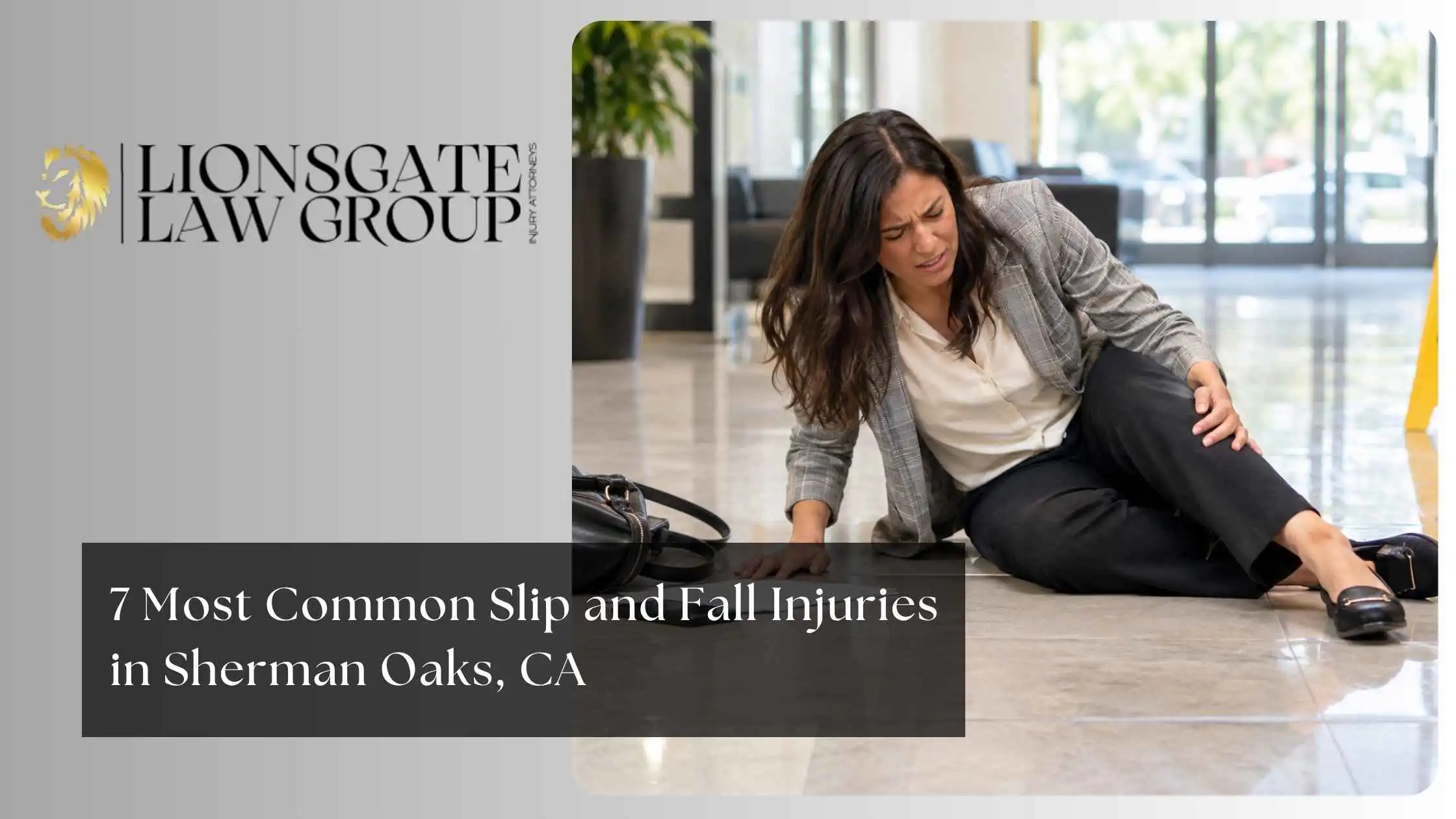
Slip and fall accidents can cause serious injuries in Sherman Oaks, California, particularly when property owners fail to address hazardous conditions. Wet floors in shopping centers, uneven sidewalks, poorly maintained staircases, inadequate lighting, and defective handrails can turn an ordinary visit to a business or residential property into a painful accident. With pedestrians regularly using local businesses, apartment buildings, parking lots, and walkways, maintaining safe premises is essential.
A slip and fall is a type of premises liability accident that occurs when someone falls because of a hazardous condition. Injuries can range from minor bruises to fractures, head trauma, and permanent disabilities. Some symptoms may not appear immediately, which is why seeking medical attention after a fall is important even when an injury initially seems manageable.
Understanding the most common slip and fall injuries can help victims recognize the seriousness of an accident and take appropriate steps toward recovery.
1. Facial Injuries
A person who slips or trips may fall forward and strike their face against the ground, a counter, a stairway, or another hard surface. Facial injuries can include cuts, bruises, damaged teeth, eye injuries, and fractures of the nose or jaw.
These injuries may occur when someone loses their balance on a wet floor in a Sherman Oaks store or trips over an uneven walkway outside a commercial property. Depending on the force of the impact, a facial injury may require stitches, dental treatment, surgery, or specialist care.
Facial injuries can also leave permanent scars or affect vision, chewing, and other everyday activities. Prompt medical evaluation helps identify the extent of the damage and determine appropriate treatment.
If a hazardous property condition contributed to the fall, photographs of the location, witness statements, and available surveillance footage may help establish what happened. Whether the property owner is legally responsible depends on factors such as the condition of the premises, notice of the hazard, and the steps taken to address it.
2. Concussions and Traumatic Brain Injuries
Head injuries are among the most concerning consequences of a slip and fall accident. When a person’s head strikes a hard surface, the impact may cause a concussion or another traumatic brain injury (TBI).
Symptoms can include headaches, dizziness, nausea, confusion, sensitivity to light, memory problems, and balance difficulties. Some symptoms develop gradually, and a person may not immediately realize how seriously they have been injured.
For example, someone who slips on an unmarked wet floor in a Sherman Oaks shopping center may strike their head while falling. Even if they stand up and leave the area without obvious external injuries, they could still have a concussion that requires medical assessment.
Seek emergency medical care for serious symptoms such as worsening headaches, repeated vomiting, seizures, increasing confusion, weakness, or loss of consciousness. Follow medical professionals’ instructions and do not ignore symptoms that appear after the accident.
A traumatic brain injury may require ongoing treatment, rehabilitation, and time away from work. Medical records and professional evaluations can help document the injury and its effects when a compensation claim is appropriate.
3. Neck Injuries
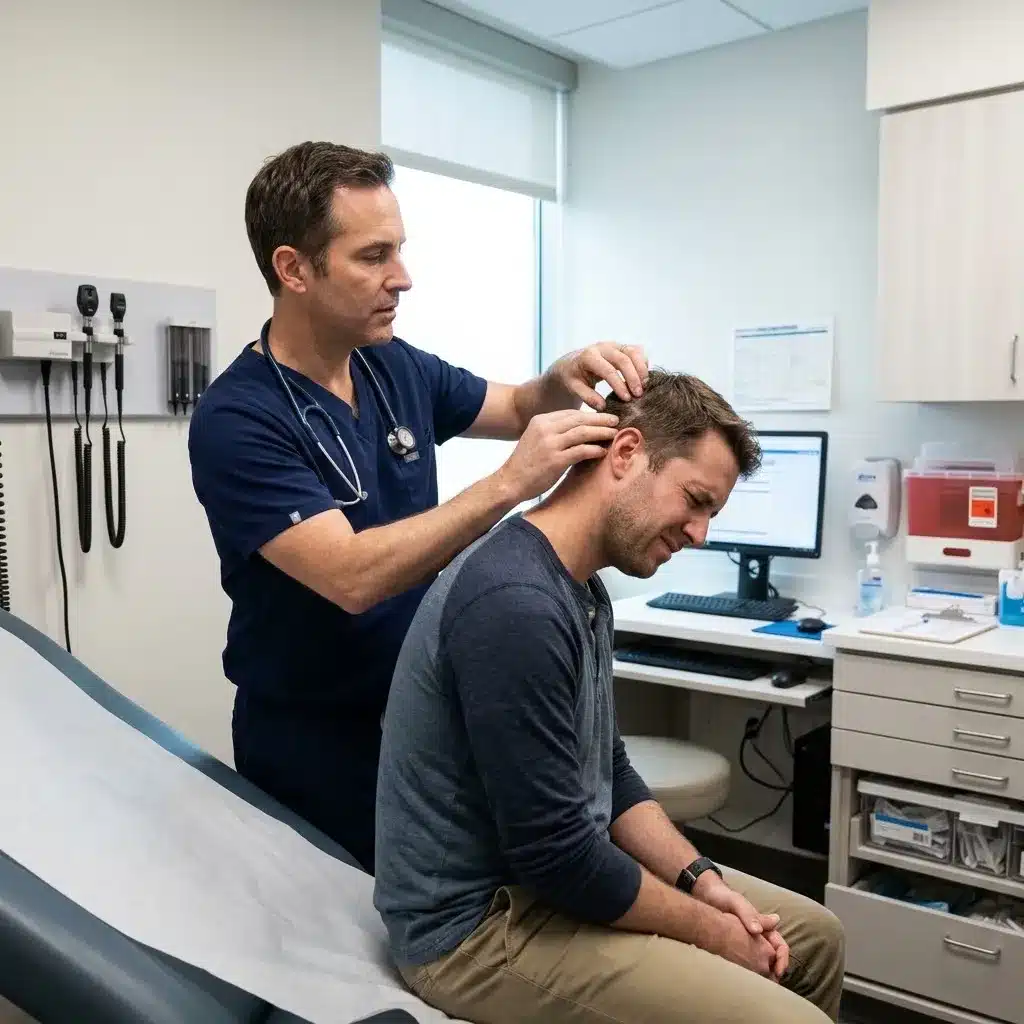
A sudden fall can force the neck into an unnatural position, placing stress on muscles, ligaments, nerves, and other structures. Common injuries include neck strains, sprains, whiplash-like injuries, nerve compression, and fractures in more serious cases.
Symptoms may include stiffness, neck pain, muscle spasms, headaches, and difficulty turning the head. Some people experience pain that spreads into the shoulders or arms, particularly when nerves are affected.
Falls on stairs or slippery surfaces can be especially dangerous because a person may twist their body or strike their head while trying to regain balance. In Sherman Oaks apartment buildings, offices, and commercial properties, poorly maintained stairs and inadequate lighting can contribute to these types of accidents.
Anyone experiencing significant neck pain after a fall should seek medical assessment. Avoid unnecessary movement if a serious spinal injury is suspected, and seek emergency assistance when appropriate.
The recovery period depends on the nature of the injury. Some people improve with conservative treatment, while others require more extensive care. Medical documentation can help establish the diagnosis, treatment needs, and effect on daily activities.
4. Spinal Cord Injuries
Spinal cord injuries are among the most serious injuries associated with slip and fall accidents. A forceful impact to the back or neck can damage the spinal cord, potentially affecting sensation, movement, and other bodily functions below the injured area.
The consequences vary depending on the location and severity of the damage. Some people retain partial movement or sensation, while more severe injuries can cause paralysis and permanent disability.
A fall down a poorly maintained staircase or onto a hard surface may result in significant spinal trauma. In serious cases, victims may require emergency surgery, extended hospitalization, rehabilitation, assistive equipment, and long-term support.
If a spinal injury is suspected, call emergency services and avoid moving the injured person unless an immediate danger makes movement necessary. Improper movement can worsen certain spinal injuries.
The financial and personal consequences of a serious spinal cord injury can be substantial. A claim may involve current and future medical expenses, lost income, reduced earning capacity, and pain and suffering, depending on the facts and applicable law.
When a fall occurs because of a hazardous property condition, a legal investigation may examine maintenance records, inspection history, photographs, witness accounts, and whether the responsible party knew or should have known about the danger.
5. Severe Cuts and Lacerations
Slip and fall accidents can also cause deep cuts when a person strikes broken glass, sharp metal, exposed edges, or other hazardous objects. These injuries may require stitches, surgical treatment, or follow-up care to prevent infection and manage scarring.
For example, a person who falls near damaged fixtures or broken materials on a commercial property may suffer a deep wound while trying to break the fall. Even an injury that initially appears limited to the skin can damage underlying nerves, tendons, or blood vessels.
Severe bleeding requires prompt medical attention. Apply appropriate pressure to a bleeding wound if it is safe to do so and seek emergency assistance for serious injuries.
Recovery depends on the depth and location of the wound and whether complications develop. Some lacerations leave permanent scars or restrict movement, particularly when they affect the hands, arms, or joints.
Photographs of visible injuries and the hazardous condition may help document an accident. Keep medical records and treatment receipts, and record any instructions from healthcare professionals regarding recovery and follow-up care.
6. Broken Bones
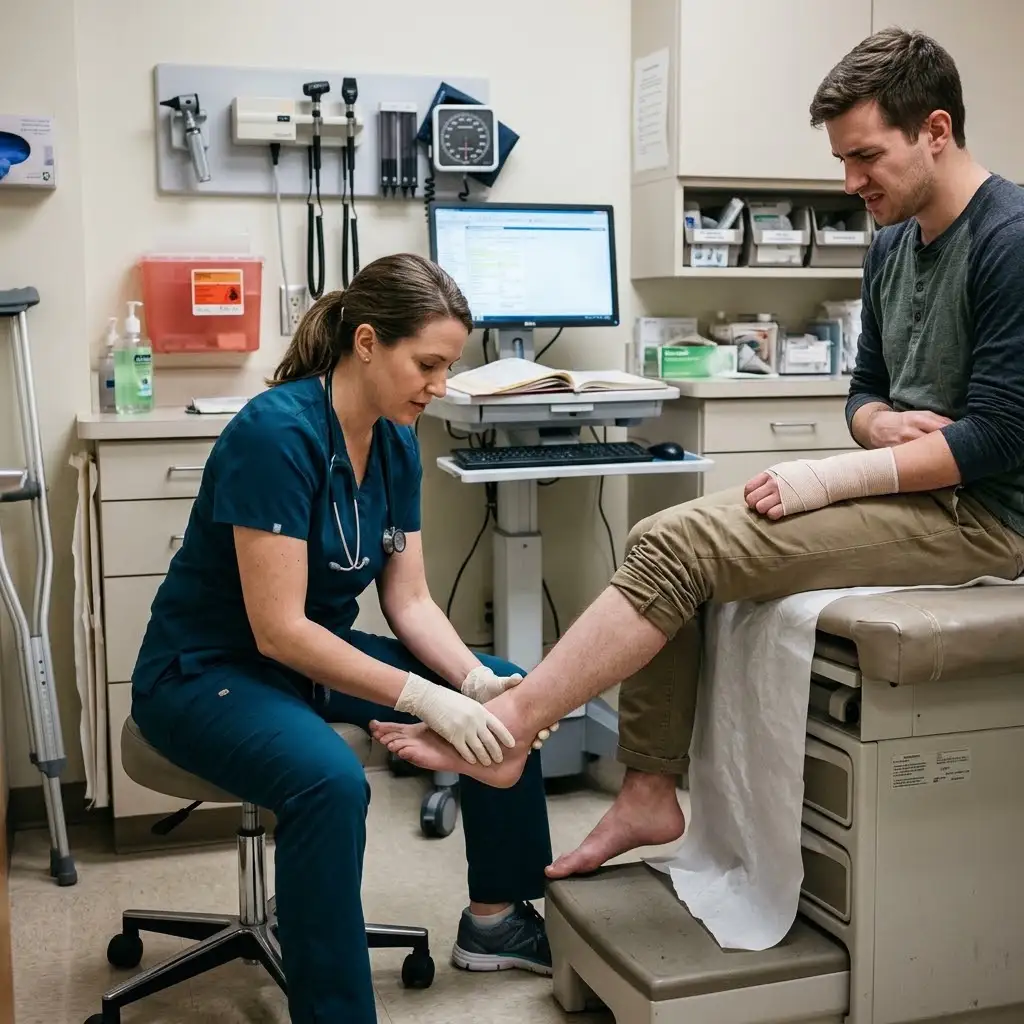
Fractures are common in slip and fall accidents because the body may absorb substantial force when it strikes the ground. People often instinctively extend their hands to break a fall, putting the wrists and arms at risk. Ankles, legs, ribs, and hips can also be fractured.
The severity of a fracture depends on the bone involved and the nature of the break. Some fractures heal with immobilization, while others require surgery, plates, screws, or other medical interventions.
Older adults may be especially vulnerable to serious complications from falls, including hip fractures that affect mobility and independence. However, fractures can occur at any age.
In Sherman Oaks, a person could suffer a fracture after slipping on an unmarked spill in a grocery store, falling on an uneven walkway, or losing their balance on a damaged staircase. The circumstances of the accident and the condition of the property may be relevant when determining whether negligence contributed to the injury.
Recovery may involve weeks or months of treatment, physical therapy, and restrictions on daily activities. Severe fractures can cause lasting pain or mobility limitations.
Medical imaging, treatment records, photographs, and witness statements can help document the injury and the circumstances of the fall. If the accident resulted from an unsafe condition, these records may also be relevant to a premises liability claim.
7. Knee, Ankle, Shoulder, Elbow, and Wrist Injuries
Slip and fall accidents frequently cause injuries to joints and surrounding soft tissues. When people lose their balance, they may twist a knee or ankle, land on a shoulder, or use their hands to brace against the impact.
Common injuries include sprains, strains, ligament tears, dislocations, and fractures. Symptoms may include swelling, bruising, tenderness, reduced movement, and difficulty putting weight on the affected limb.
For example, a visitor walking through a poorly lit parking area in Sherman Oaks may trip over uneven pavement and land on an outstretched arm. The resulting injury could affect their ability to drive, work, lift objects, or perform routine tasks.
Treatment depends on the diagnosis and may include rest, medically recommended ice application, compression, elevation, physical therapy, medication, or surgery. The familiar RICE approach may be appropriate for certain minor injuries, but it is not a substitute for professional assessment when a fracture or serious joint injury is possible.
Do not assume an injury is minor simply because you can still move the affected joint. Seek medical advice when pain, swelling, instability, or difficulty moving persists.
What Should You Do After a Slip and Fall Accident in Sherman Oaks?
After a slip and fall, your health should be the first priority. Once you are safe, taking a few practical steps may help preserve important information about the accident.
Report the incident. Notify the property manager, business owner, or responsible staff member. Ask that the incident be documented and keep a record of when and where it happened.
Document the hazardous condition. If it is safe to do so, photograph or record the wet floor, damaged steps, uneven pavement, poor lighting, or other condition that contributed to the fall. Note the date, time, and exact location.
Collect witness information. Names and contact details of people who saw the accident or noticed the hazard may help clarify what happened.
Seek medical attention. Obtain an appropriate medical evaluation and follow the recommended treatment plan. Keep copies of medical records, bills, prescriptions, and related expenses.
Be cautious with insurance communications. Avoid guessing about the cause of the fall or accepting a settlement before understanding the extent of your injuries and potential losses. Consider obtaining legal advice before signing a release.
Property owners are not automatically liable for every fall on their premises. A claim generally depends on whether a dangerous condition existed, whether the responsible party failed to meet its legal obligations, and whether that failure caused the injury.
How Lionsgate Law Group APC Can Help With a Slip and Fall Claim
Proving responsibility for a slip and fall accident can require a detailed investigation. A property owner or insurer may dispute the existence of a hazard, argue that they were unaware of it, or claim that the injured person should have noticed the danger.
Lionsgate Law Group APC is a California personal injury law firm based in Sherman Oaks. The firm represents people injured by unsafe property conditions throughout Sherman Oaks and the San Fernando Valley.
Its slip and fall practice includes cases involving wet floors, unmarked spills, broken stairs, uneven walkways, inadequate lighting, and other hazardous conditions. Depending on the circumstances, an investigation may involve reviewing surveillance footage, maintenance logs, inspection records, photographs, witness statements, and other available evidence.
An attorney can assess potential liability, help document medical expenses and lost income, communicate with insurance companies, and explain whether compensation may be available. Recoverable damages can vary but may include medical costs, lost wages, and pain and suffering when supported by the facts and applicable law.
Contact a Slip and Fall Lawyer in Sherman Oaks
A slip and fall injury can disrupt your health, employment, and daily life. If an unsafe property condition contributed to your accident, understanding your legal options may help you determine the best way forward.
Contact Lionsgate Law Group APC to discuss your circumstances and request a free case review.
Phone: 818-574-5494
Office address: 15303 Ventura Blvd, Suite 1050, Sherman Oaks, CA 91403.
Office hours: Monday through Friday, 9:00 AM to 5:00 PM.
Visit the Slip and Fall Lawyer in Sherman Oaks service page to learn more about the firm’s services.
Frequently Asked Questions
What is the most serious injury from a slip and fall accident?
Serious injuries can include traumatic brain injuries, spinal cord damage, and major fractures. Their severity depends on the circumstances of the fall and the nature of the injury.
Should I see a doctor after a slip and fall if I feel fine?
Seek medical advice if you may have been injured, even if symptoms seem minor at first. Some injuries, particularly head and soft-tissue injuries, may become more apparent later.
Can I claim compensation for a slip and fall on someone else’s property?
Possibly. A claim may be available if a hazardous condition and the responsible party’s negligence caused your injury. Liability depends on the evidence and applicable law.
What compensation may be available after a slip and fall?
Depending on the case, compensation may include medical expenses, lost income, future losses, and pain and suffering. The available damages depend on the injury, evidence, and legal circumstances.
How long do I have to file a slip and fall claim in California?
The general deadline for many California personal injury lawsuits is two years from the date of injury. Exceptions may apply, including shorter deadlines for certain claims against government entities. Seek legal advice promptly to identify the deadline that applies to your case.
Disclaimer: This article is for general informational purposes only and does not constitute legal advice. Each case depends on its facts and applicable law. Reading this article does not create an attorney-client relationship.