A brain injury can have serious consequences for a person’s health, independence, work, and daily life. Brain injuries can happen in many circumstances, including motor vehicle accidents, falls, and other incidents involving an external force or medical event.
In Sherman Oaks and throughout the San Fernando Valley, serious brain injuries can result from car accidents, truck accidents, falls, and other incidents. When an injury is caused by another person’s negligence, the injured person may also face medical expenses, lost income, rehabilitation needs, and other losses.
Brain injuries vary significantly from one person to another. Some may be relatively mild and resolve with appropriate care, while more serious injuries can result in permanent impairments and the need for long-term care.
Lionsgate Law Group APC represents people with traumatic brain injuries as part of its catastrophic injury practice in Sherman Oaks and throughout the San Fernando Valley. The firm’s current catastrophic injury service specifically includes traumatic brain and spinal cord injuries arising from car accidents, falls, and other incidents.
What Are the Main Types of Brain Injuries?
Brain injuries can be broadly classified as traumatic brain injuries (TBIs) and non-traumatic brain injuries.
Traumatic brain injuries result from an external force affecting the head or brain. Non-traumatic brain injuries occur because of internal or medical causes rather than a direct external impact.
The cause and severity of a brain injury can affect its symptoms, treatment, and long-term consequences.
1. Traumatic Brain Injuries
A traumatic brain injury occurs when an external force causes injury to the brain.
Common causes can include:
- Motor vehicle accidents
- Falls
- Bicycle accidents
- Sports-related impacts
- Other physical trauma
A TBI can range from a mild injury, such as a concussion, to severe injuries involving bleeding, swelling, or damage to brain tissue.
Concussion
A concussion is a type of traumatic brain injury that can occur after a blow or jolt to the head or from another force that causes the brain to move within the skull.
Possible symptoms include:
- Headache
- Dizziness
- Nausea
- Confusion
- Difficulty concentrating
- Memory problems
- Sensitivity to light or sound
- Sleep changes
Symptoms can vary from person to person. Anyone who may have suffered a concussion should obtain appropriate medical evaluation.
Brain Contusion
A brain contusion is essentially a bruise to brain tissue.
It can occur when the brain is subjected to significant trauma, such as during a motor vehicle collision or serious fall.
The severity of a contusion can vary. More serious cases may require extensive medical monitoring and treatment.
Because brain injuries can have different presentations and complications, treatment decisions should be made by qualified medical professionals.
Intracranial Hematoma
An intracranial hematoma involves blood collecting within or around the brain after a blood vessel is damaged.
Examples include:
- Epidural hematoma
- Subdural hematoma
- Other forms of intracranial bleeding
These injuries can be medical emergencies and require prompt medical attention.
The symptoms and treatment depend on factors such as the location and size of the bleeding and the patient’s overall condition.
Diffuse Axonal Injury
Diffuse axonal injury can occur when strong rotational or acceleration forces cause widespread damage to nerve fibers in the brain.
It can occur in high-impact accidents, including some motor vehicle collisions.
Severe cases may result in prolonged unconsciousness or significant neurological impairment.
Penetrating Brain Injury
A penetrating brain injury occurs when an object penetrates the skull and damages brain tissue.
These injuries are extremely serious and require immediate emergency medical treatment.
2. Non-Traumatic Brain Injuries
Unlike traumatic brain injuries, non-traumatic brain injuries do not result from an external physical impact to the head.
They can result from conditions or events that deprive the brain of oxygen, interrupt blood flow, or otherwise damage brain tissue.
Examples can include certain strokes, anoxic brain injuries, and other medical conditions.
Whether a non-traumatic brain injury creates a personal injury claim depends heavily on what caused the condition and whether another party may have been legally responsible.
Stroke
A stroke occurs when blood flow to part of the brain is interrupted or when bleeding occurs within the brain.
There are different types of strokes, including ischemic and hemorrhagic strokes.
An ischemic stroke occurs when blood flow is blocked, while a hemorrhagic stroke involves bleeding in or around the brain.
Stroke is a serious medical condition requiring immediate medical attention.
Anoxic Brain Injury
An anoxic brain injury occurs when the brain does not receive enough oxygen.
Because the brain depends on a continuous oxygen supply, a prolonged lack of oxygen can cause serious injury.
Anoxic brain injuries can occur in different circumstances, including certain medical emergencies and incidents involving oxygen deprivation.
The potential legal issues depend on the specific circumstances that caused the injury.
How Serious Can a Brain Injury Be?
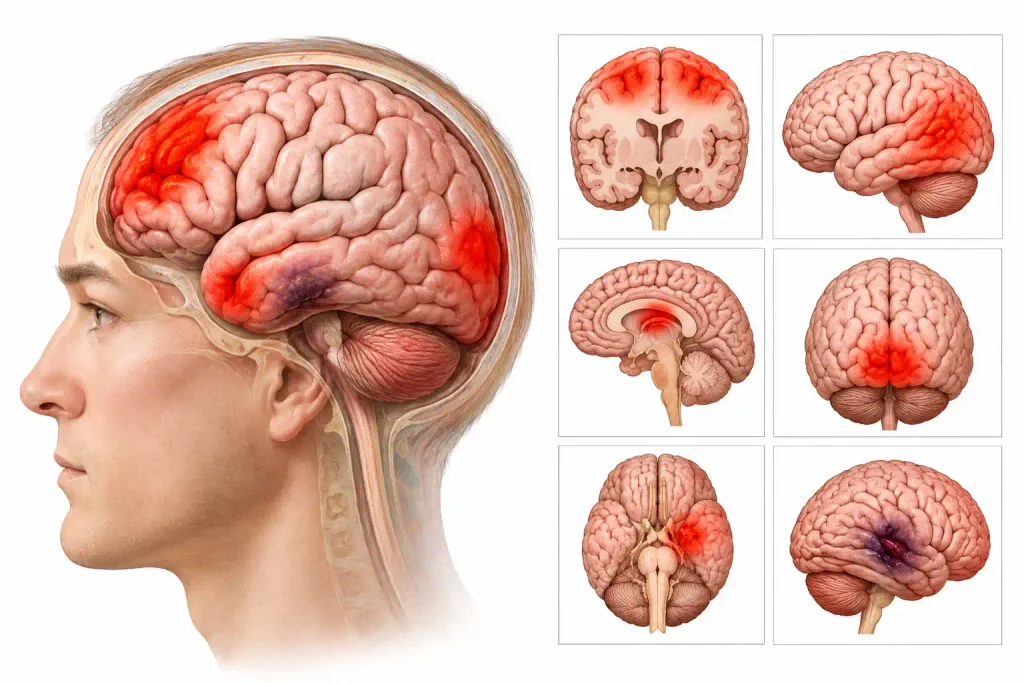
Brain injuries exist on a wide spectrum.
A person with a mild injury may recover with appropriate medical care, while another person may experience lasting physical, cognitive, emotional, or behavioral changes.
Serious brain injuries can affect:
- Memory
- Concentration
- Communication
- Mobility
- Balance
- Employment
- Independence
- Daily activities
- Relationships
- Quality of life
The long-term impact cannot always be determined immediately after an accident.
This is one reason medical documentation can be especially important in serious brain injury cases.
When Does a Brain Injury Become a Catastrophic Injury?
A brain injury may be considered catastrophic when its consequences are severe and substantially affect a person’s ability to live and function independently.
Lionsgate Law Group’s current catastrophic injury page specifically lists traumatic brain and spinal cord injuries among the firm’s areas of catastrophic injury work. The firm notes that these cases can require detailed medical documentation and long-term care planning.
For someone with a permanent disability, understanding future medical and care needs may be particularly important when evaluating a claim.
The firm states that it works with medical and life-care experts in permanent disability and long-term care claims to help document future care needs and associated costs.
What Should You Do After a Brain Injury?
If you believe you have suffered a brain injury after an accident, your health should come first.
Seek Medical Attention
A suspected brain injury should be evaluated by an appropriate medical professional.
Do not rely on an attorney, insurance adjuster, or online article to determine whether an injury is serious.
Preserve Accident Evidence
When it is safe and practical, preserve information about what happened.
Depending on the accident, useful evidence may include:
- Accident reports
- Photographs
- Videos
- Witness contact information
- Vehicle damage
- Medical records
- Employment records
- Insurance information
The type of evidence needed will depend on the circumstances of the case.
Follow Your Medical Treatment Plan
Follow the instructions provided by your healthcare professionals and attend recommended follow-up appointments.
Medical records can help document the diagnosis, treatment, symptoms, and progression of an injury.
Be Careful When Discussing Your Claim
Insurance companies may request information about an accident and injuries.
If another party may be responsible for your injury, consider speaking with a personal injury attorney before making decisions about a settlement or signing documents that could affect your claim.
How Can a Brain Injury Attorney Help?
A serious brain injury claim can involve medical, financial, and legal issues.
An attorney can help investigate how the accident happened and determine whether another party may be legally responsible.
Investigating Liability
Depending on the circumstances, potentially responsible parties may include a driver, property owner, employer, or another party.
Lionsgate Law Group states that it investigates potentially responsible parties in catastrophic injury cases based on the facts of each claim.
Documenting Medical Consequences
Brain injuries can require substantial medical documentation.
Medical records can help establish the diagnosis, treatment, prognosis, and effects of an injury.
For serious cases involving permanent disability, the firm’s current service page notes the use of medical and life-care experts to help project future care needs.
Evaluating Financial Losses
A serious brain injury can result in medical expenses and lost income.
Depending on the circumstances, an injury claim may also involve pain and suffering and future care-related expenses.
Lionsgate Law Group states that its catastrophic injury practice pursues compensation for medical expenses, lost income, and pain and suffering based on the specific facts of a case.
Why Local Legal Experience Matters in Sherman Oaks
Brain injury claims can involve California personal injury laws, insurance issues, medical evidence, and questions about liability.
Lionsgate Law Group APC is based in Sherman Oaks and serves clients in Los Angeles County and throughout California. The firm’s current catastrophic injury practice specifically focuses on serious and life-altering injuries caused by negligence.
Having legal counsel involved can allow an injured person and their family to focus on medical recovery while the legal team works on investigating the claim and organizing relevant evidence.
Frequently Asked Questions
What is the most common type of traumatic brain injury?
A concussion is a common type of traumatic brain injury. However, brain injuries vary widely in severity and symptoms, so a medical professional should evaluate any suspected brain injury.
Can a car accident cause a brain injury?
Yes. Motor vehicle collisions can cause traumatic brain injuries. Lionsgate Law Group specifically represents people with traumatic brain injuries arising from car accidents and other incidents.
Can a brain injury cause permanent problems?
Some serious brain injuries can result in lasting impairments or permanent disability. The potential outcome depends on the type and severity of the injury and other individual factors.
Can I file a claim after suffering a brain injury?
A legal claim may be possible when another party’s negligence caused or contributed to the injury. Whether you have a viable claim depends on the specific facts and applicable California law.
What compensation may be available for a brain injury?
Depending on the circumstances, compensation may include medical expenses, lost income, pain and suffering, and other losses recognized under applicable law. Serious cases may also involve future care needs.
Contact a Catastrophic Injury Lawyer in Sherman Oaks
A brain injury can affect much more than the initial moment of an accident. Serious injuries may require ongoing medical treatment, rehabilitation, assistance with daily activities, and long-term care.
If your brain injury resulted from another person’s negligence, understanding your legal rights can be an important part of protecting your future.
Lionsgate Law Group APC represents people with traumatic brain injuries as part of its catastrophic injury practice in Sherman Oaks and throughout the San Fernando Valley. The firm works on cases involving serious, permanent, and life-altering injuries and emphasizes medical documentation and long-term care planning in catastrophic injury claims.
Call Lionsgate Law Group at 800-454-5299 for a free consultation about your potential catastrophic injury claim.
The firm’s Sherman Oaks office is located at 15303 Ventura Blvd, Suite 1050, Sherman Oaks, CA 91403.
This article is for general informational purposes only and is not medical or legal advice. Brain injury symptoms, treatment, and outcomes vary. Every legal claim depends on its specific facts and applicable law.