

An accident involving a dangerous sidewalk, poorly maintained public road, or government-owned property in Los Angeles can leave an injured person facing unexpected medical bills, lost income, and a complicated legal process. Unlike most personal injury cases involving private individuals or businesses, filing a Claim against the City of Los Angeles generally requires following a special procedure under California’s Government Claims Act. In many injury cases, an administrative claim must be submitted within just six months of the incident.
For residents of Sherman Oaks and surrounding Los Angeles communities, understanding this deadline is especially important. Missing the required filing period can jeopardize the ability to pursue compensation, even when the government entity may have been responsible for the dangerous condition. Government liability cases also involve specific documentation, notice requirements, and legal standards that make early professional assistance valuable.
What Is the California Government Claims Act?
The California Government Claims Act establishes procedures that individuals generally must follow before bringing certain lawsuits against public entities.
It applies to claims involving government agencies such as cities, counties, and other public organizations. For example, someone injured because of a dangerous condition on a city-maintained sidewalk may need to submit an administrative claim before filing a lawsuit.
Common situations that may involve government liability include:
- Accidents caused by damaged public sidewalks.
- Injuries involving poorly maintained government buildings.
- Collisions connected to dangerous road conditions.
- Accidents involving government-owned vehicles.
- Injuries caused by defective public infrastructure.
- Certain incidents involving negligent government employees.
However, not every accident involving a public location automatically creates government liability. California law establishes specific requirements for proving responsibility, including applicable dangerous-condition and notice requirements.
Why Does the Six-Month Rule Matter?
One of the most important differences between government injury claims and ordinary personal injury cases is the deadline for submitting an administrative claim.
Under California Government Code Section 911.2, claims involving personal injury or death generally must be presented to the responsible public entity no later than six months after the cause of action accrues.
This deadline is separate from the usual deadline for filing a personal injury lawsuit.
The Administrative Claim Comes First
In a typical personal injury case against a private party, an injured person may pursue a lawsuit without first submitting a government administrative claim.
However, when a claim falls under the Government Claims Act, the injured person generally must first present a written claim to the appropriate public entity.
For example, if someone suffers an injury because of a dangerous sidewalk maintained by the City of Los Angeles, the person may need to submit a government claim before pursuing a lawsuit.
Missing the Deadline Can Affect Your Rights
Failing to submit a claim within the required six-month period can create serious legal problems.
Although California provides a limited procedure for requesting permission to file a late claim, relief is not automatic. A late-claim application generally must be submitted within a reasonable time, no later than one year after the accrual of the cause of action, and must satisfy statutory requirements.
This is why injured individuals should not wait until medical treatment is complete or insurance negotiations have finished before investigating their government claim options.
What Types of Accidents Can Involve Government Liability?
Not every accident on public property automatically makes a city or government agency responsible. To pursue compensation, an injured person generally needs to establish that the public entity had a legal duty and that the applicable requirements for liability have been satisfied.
Several situations may warrant a government liability investigation in Los Angeles.
Dangerous Conditions on Public Property
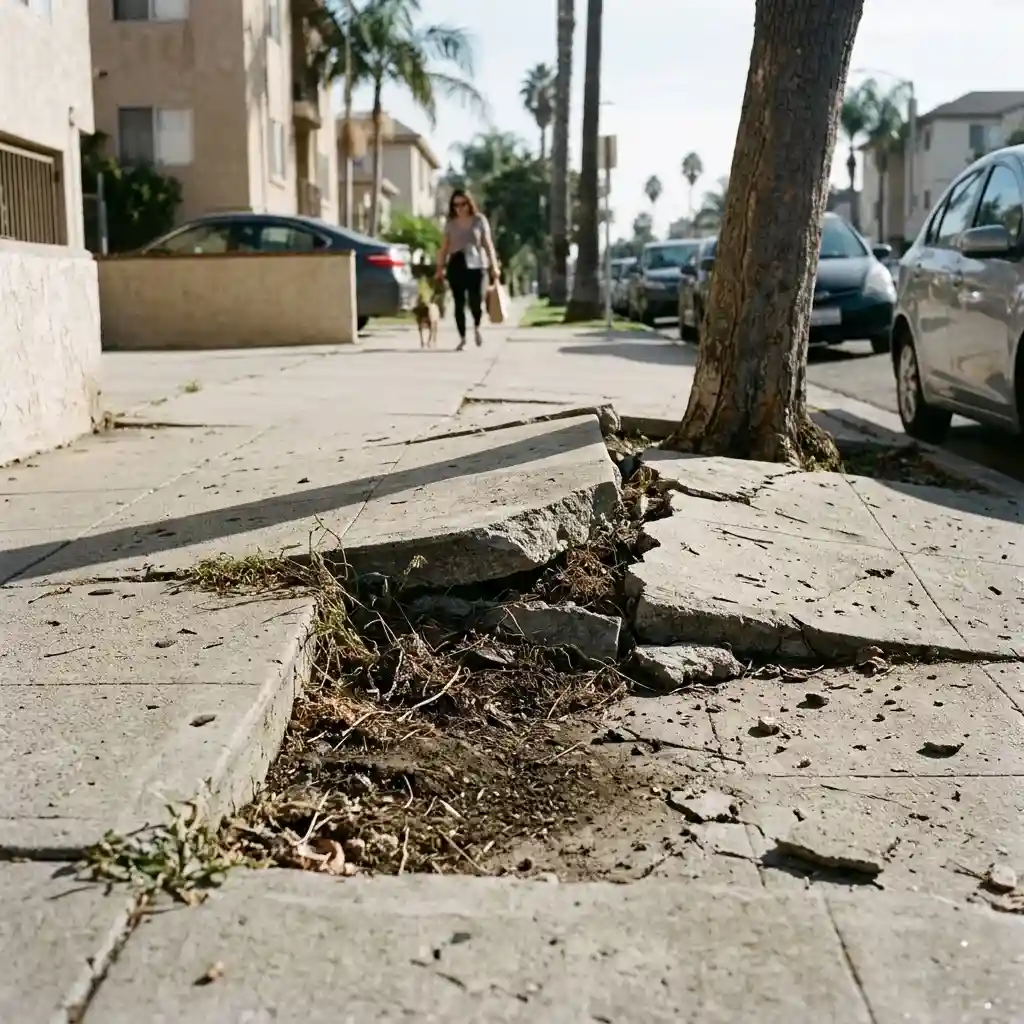
Cracked sidewalks, broken pavement, damaged walkways, and poorly maintained public parks can create serious injury risks.
Under California Government Code Section 835, a public entity may be liable for injuries caused by a dangerous condition of its property when specific legal requirements are met. These generally include showing that the condition created a foreseeable risk, caused the injury, and that the entity had the required notice or created the condition through an employee’s negligent or wrongful act.
Accidents Involving Government Vehicles
Collisions involving city maintenance trucks, municipal vehicles, or other government-owned vehicles may require an administrative claim against the responsible public entity.
Investigators may need to examine accident reports, vehicle maintenance records, driver conduct, and applicable government insurance arrangements.
Public Transportation Accidents
Injuries involving public buses, trains, and other government-operated transportation services can involve additional procedural requirements.
Identifying the correct transportation agency is essential because the responsible entity may not be the City of Los Angeles itself.
Injuries on School or Government Property
Unsafe walkways, defective structures, inadequate maintenance, and other hazardous conditions at public schools or government facilities may also create potential liability.
Each situation requires an investigation into the property’s ownership, maintenance responsibilities, and the applicable legal standards.
What Information Is Required When Filing a Claim?
Submitting a government claim involves more than explaining that an accident happened. The claim must contain sufficient information to identify the incident and provide the public entity with an opportunity to investigate.
Under California Government Code Section 910, a claim generally needs to include:
- The claimant’s name and mailing address.
- The address where notices should be sent.
- The date, place, and circumstances of the incident.
- A general description of the injury, damage, or loss.
- The names of public employees involved, if known.
- The amount claimed, if it falls within the applicable statutory requirements, or an indication that the amount exceeds the relevant threshold.
The claim must also be presented to the correct government entity using an authorized method.
For example, an accident involving a City of Los Angeles sidewalk may require a different claims process from an incident involving a Los Angeles County facility or a state-owned roadway.
Submitting paperwork to the wrong agency can create serious complications.
Job Story: A Sherman Oaks Resident Injured on a City Sidewalk
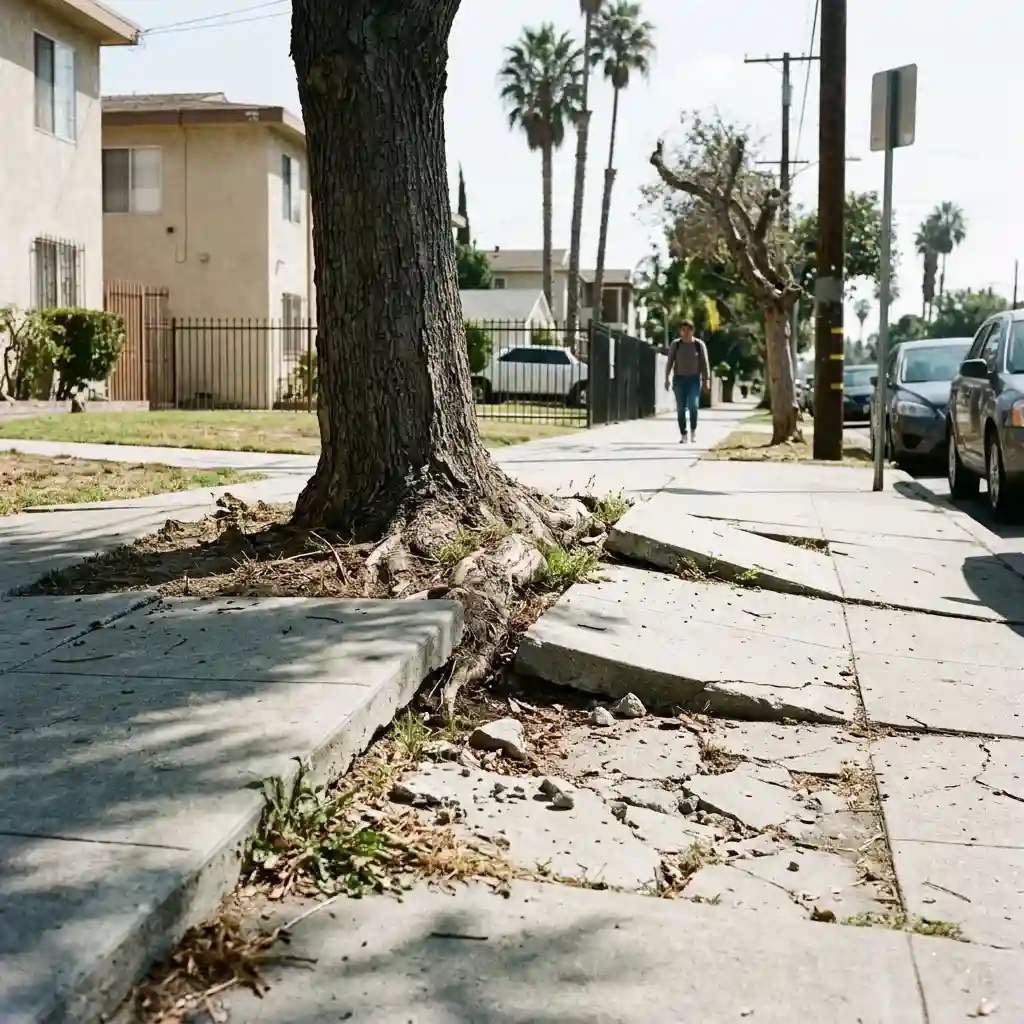
Consider an illustrative situation involving a Sherman Oaks resident who trips over a severely damaged sidewalk while walking near a residential property.
The fall causes a serious ankle injury requiring medical treatment, physical therapy, and time away from work.
Initially, the injured person assumes the regular personal injury filing deadline applies and plans to wait until completing treatment before contacting an attorney.
However, an investigation reveals that the sidewalk may be maintained by a government entity. This changes the legal process because the injured person may need to present an administrative claim within six months.
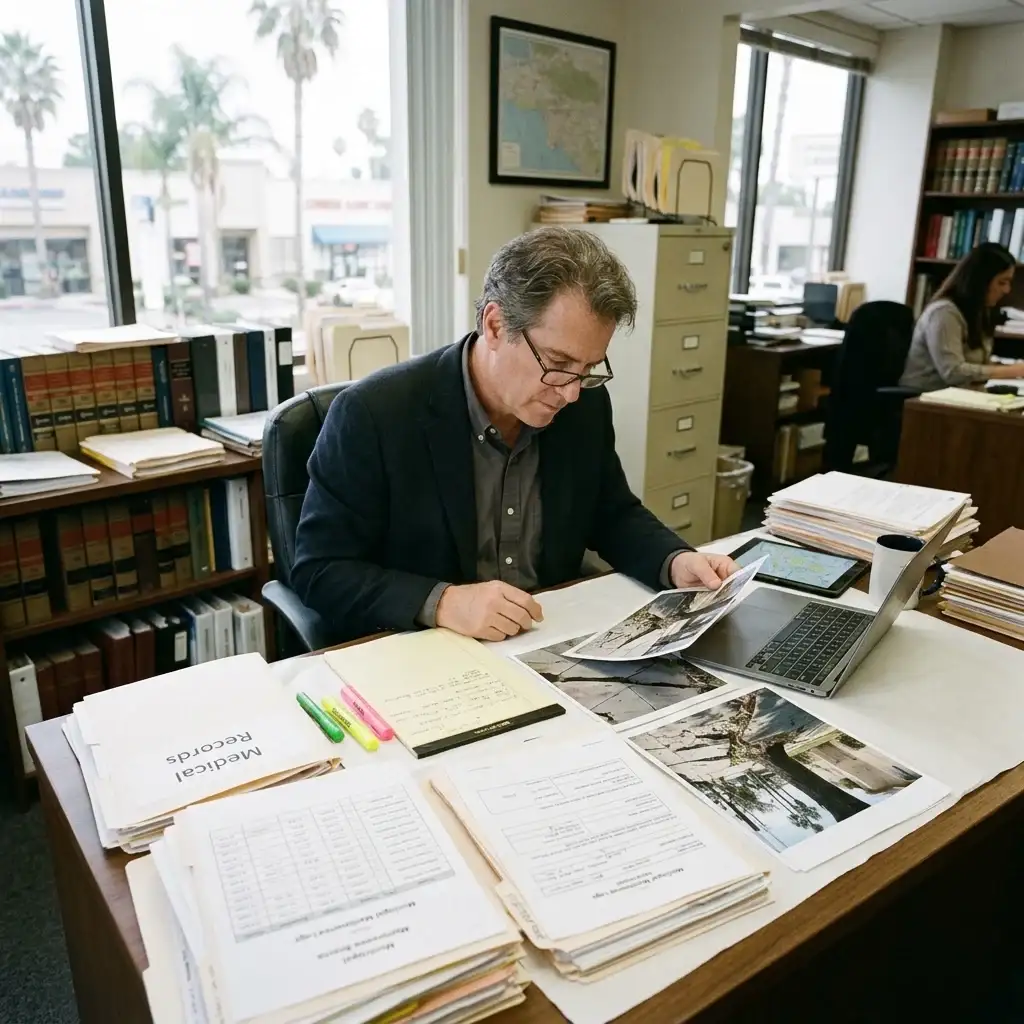
An attorney begins reviewing the incident, identifying the responsible public entity, collecting photographs, obtaining medical documentation, and investigating whether the agency had previous notice of the dangerous sidewalk condition.
The attorney also evaluates whether maintenance records, prior complaints, inspection reports, or other evidence could establish the government’s knowledge of the defect.
By addressing the administrative requirements early, the injured person has a better opportunity to protect the claim and pursue the appropriate legal remedies.
This example illustrates why identifying government involvement immediately can be just as important as documenting the original accident.
Professional Advantage: Why Government Claims Require Legal Expertise
Filing a Claim against a government agency involves procedural requirements that differ significantly from ordinary personal injury cases. Attempting to handle the process without understanding these requirements can put an otherwise valid claim at risk.
Identifying the Responsible Government Entity
Determining whether the City of Los Angeles, Los Angeles County, a transportation agency, or another public organization is responsible requires careful investigation.
An attorney can examine property ownership, maintenance responsibilities, accident circumstances, and relevant government records to identify the appropriate defendant.
Establishing Government Negligence
Proving government liability requires more than showing that an accident happened on public property.
Attorneys investigate whether the government entity created a dangerous condition, knew about an existing hazard, or should reasonably have discovered it through appropriate inspections and maintenance.
Preserving Important Evidence
Evidence can become harder to obtain as time passes. Photographs, surveillance footage, maintenance reports, inspection records, witness statements, and previous complaints may be important.
An experienced attorney can identify relevant evidence and pursue appropriate preservation and discovery procedures.
Meeting Administrative and Court Deadlines
The six-month administrative claim deadline is only one part of the process. After a claim is rejected, a separate deadline may apply to filing a lawsuit.
For many claims, California Government Code Section 945.6 establishes a six-month lawsuit deadline following written notice of rejection. Other circumstances may involve different deadlines.
Professional legal assistance helps ensure that administrative requirements and subsequent litigation deadlines are evaluated separately.
How Lionsgate Law Group Helps With Government Liability Claims
Lionsgate Law Group APC represents individuals who have suffered injuries or losses because of alleged negligence involving government agencies and public entities.
Based in Sherman Oaks, the firm serves clients throughout the San Fernando Valley, Los Angeles County, and California.
Led by founder Sayan Aboudi, Esq. (California State Bar #317292), the firm handles government liability matters involving:
- Dangerous conditions on public property, including broken sidewalks and poorly maintained parks.
- Accidents involving city, county, and state vehicles.
- Claims against cities, counties, and state agencies.
- Public transportation and school district liability.
The firm’s approach includes investigating the incident, documenting dangerous conditions, examining prior government notice, and identifying potentially responsible parties.
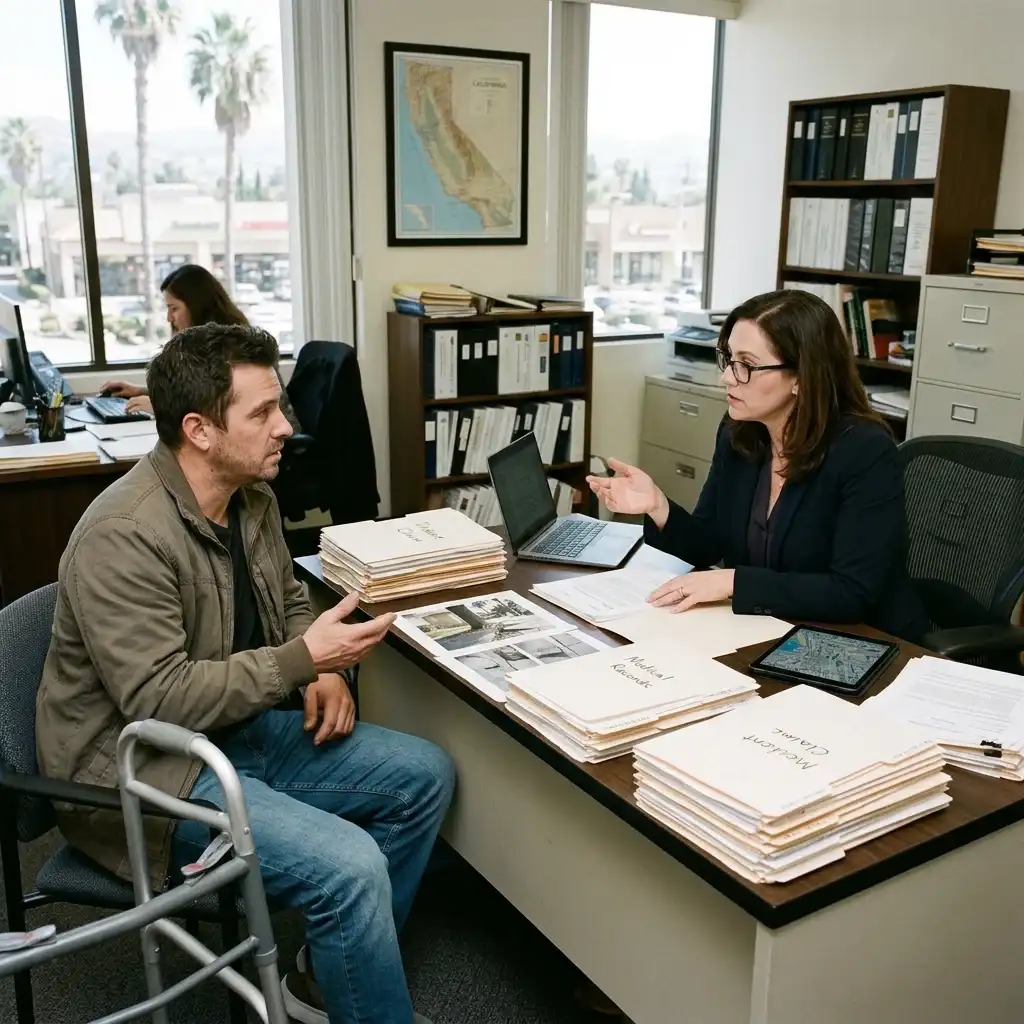
Lionsgate Law Group also provides direct attorney access and works with clients from the initial consultation through claim resolution. Lionsgate
Frequently Asked Questions
Is the six-month deadline the same for every government claim?
No. Personal injury and property damage claims generally have a six-month presentation deadline. Certain other claims, such as some claims involving contract-related damages, may have a different deadline.
Can I file a government claim after six months?
Possibly. California allows certain injured individuals to request permission to present a late claim. The application generally must be submitted within a reasonable time and no later than one year after the cause of action accrues. Approval is not guaranteed.
Does filing a government claim mean I have filed a lawsuit?
No. An administrative claim is generally a required preliminary step. A lawsuit may follow if the claim is rejected or otherwise deemed rejected under applicable law.
What compensation can I pursue in a government liability case?
Depending on the facts and applicable law, compensation may include medical expenses, lost income, future medical costs, and pain and suffering.
Should I contact a lawyer immediately after an accident involving government property?
Yes. Early legal guidance can help identify the responsible agency, preserve evidence, evaluate liability, and protect important filing deadlines.
Protect Your Rights When Filing a Claim Against Los Angeles
Government injury claims involve strict administrative procedures, complicated liability questions, and deadlines that differ from ordinary personal injury cases. The six-month rule can significantly affect an injured person’s ability to pursue compensation.
Whether your injury involves a damaged sidewalk, a government vehicle, public transportation, or an unsafe government facility, understanding the correct claims process is essential.
Lionsgate Law Group APC helps injured individuals investigate government liability matters and pursue appropriate compensation. If you believe a government agency contributed to your injury, do not wait until the filing deadline approaches.
Contact the firm today to discuss your circumstances and request a free case evaluation.
Call: 818-574-5494
Office Address: 15303 Ventura Blvd, Suite 1050, Sherman Oaks, CA 91403.